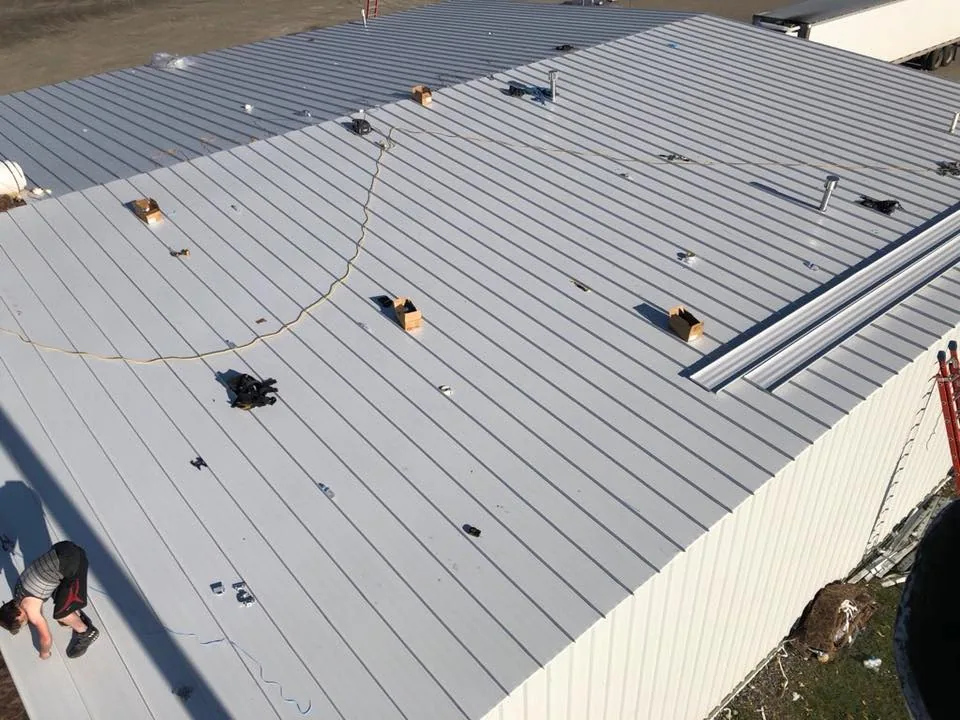
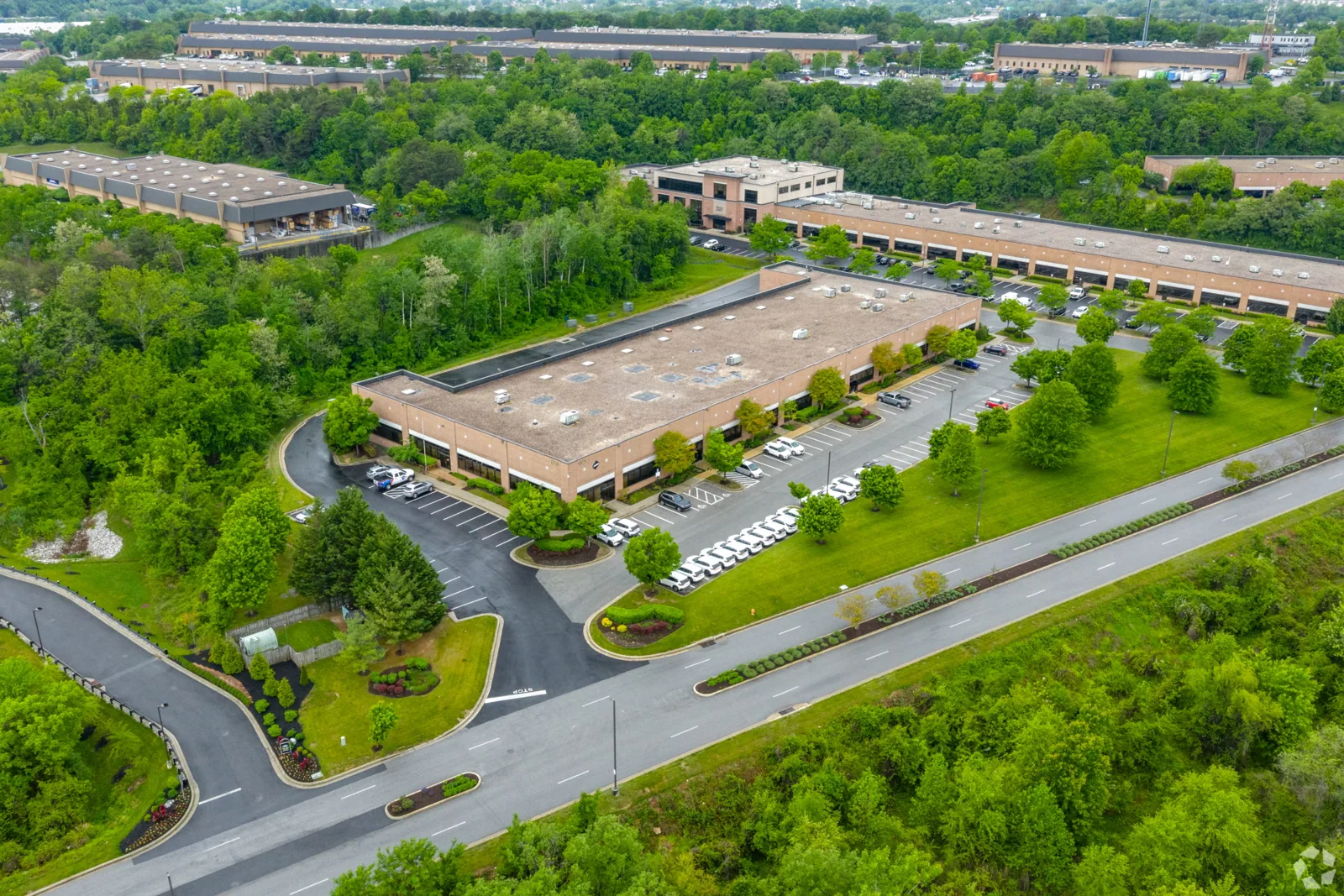
A roof program is useful when the owner can connect condition, work status, next decision and budget timing to the same asset record. We document roof sections, accessible conditions, prior repairs, system information and open questions. The report distinguishes field observations from concealed conditions that need testing. That gives property managers and asset teams a shared baseline before they authorize a repair or replacement.
Lakewood’s commercial portfolio spans Denver West, Union Square, Federal Center and other hubs. A campus or multi-site owner may work with different tenant windows and access contacts at each building. Our capability work keeps those records separate by address while using a consistent section map and closeout approach.
What belongs in an asset-level roof file?
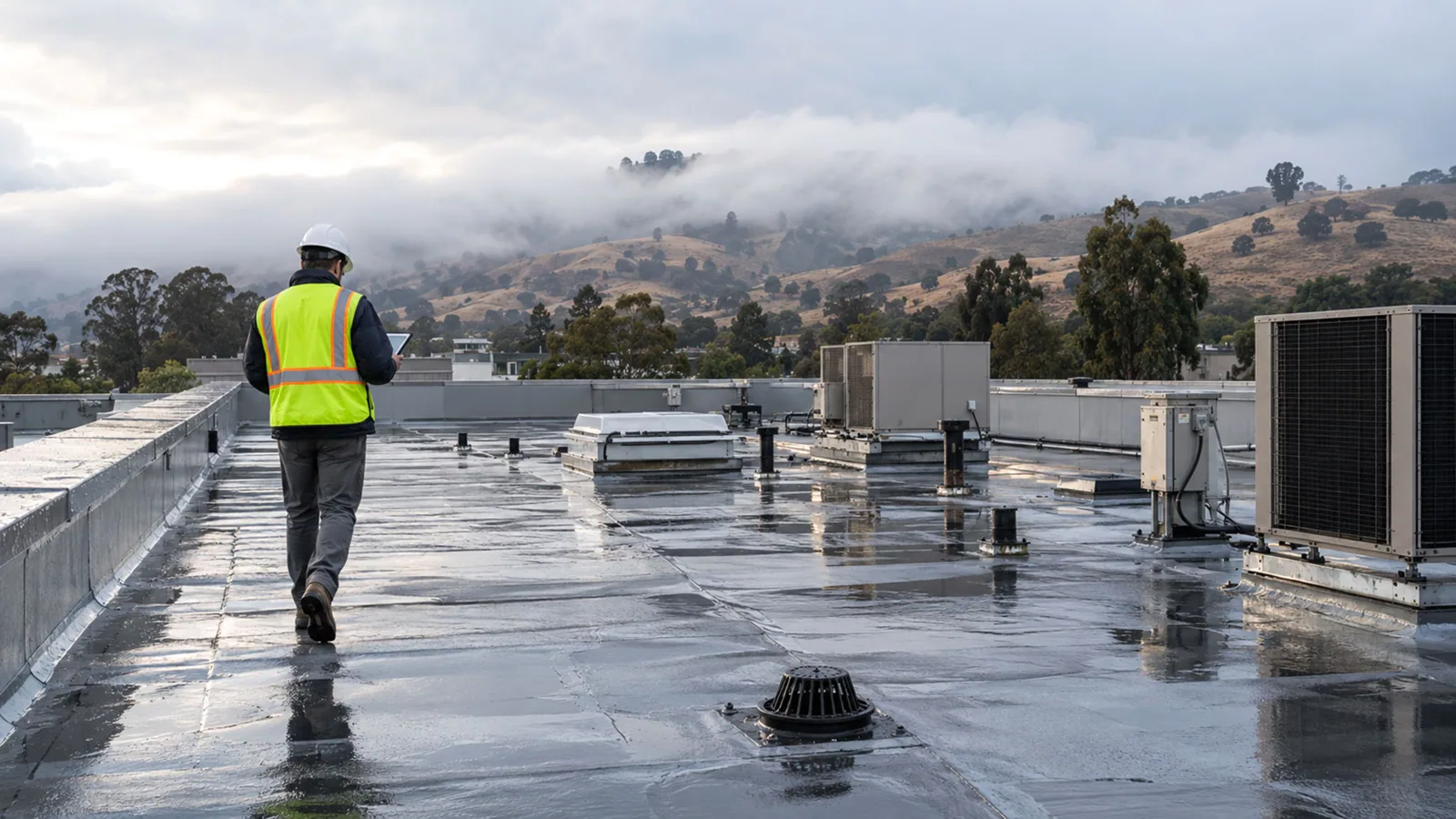
A current map, inspection images, product submittals, maintenance tickets and approvals let a facility team find the same seam or drain on the next visit. Roof asset management can track system, condition, service history and open items. Roof condition reports connect photographs with repair priorities and access limits. If warranty documentation is part of the project, warranty management keeps the issued terms and maintenance records with the asset.
Warranty coverage and maintenance duties come from the actual documents. A roof survey records condition; the owner or issuer confirms coverage.
How should a portfolio set repair priorities?
Capital planning starts with condition by zone, the cost of access and materials, remaining service questions and the effect of a roof failure on building use. A roof capital plan can order near-term repairs against replacement needs. For a sale, purchase or refinancing review, a due-diligence roof survey identifies observed defects, testing limits and follow-up responsibilities.
Hail, heat and cold extremes are near-term Lakewood concerns. Weather and snow access can change inspection timing. A plan records those limits rather than converting an incomplete walk into a roof-wide conclusion.
What changes when service spans multiple addresses?
Portfolio work needs a site contact, roof map, access procedure and decision owner for each property. A multi-site roof program can schedule surveys, group reporting and track repair status without combining distinct systems. Denver West and Federal Center, for example, sit within different Lakewood commercial contexts. Their own building records establish roof type and service conditions.
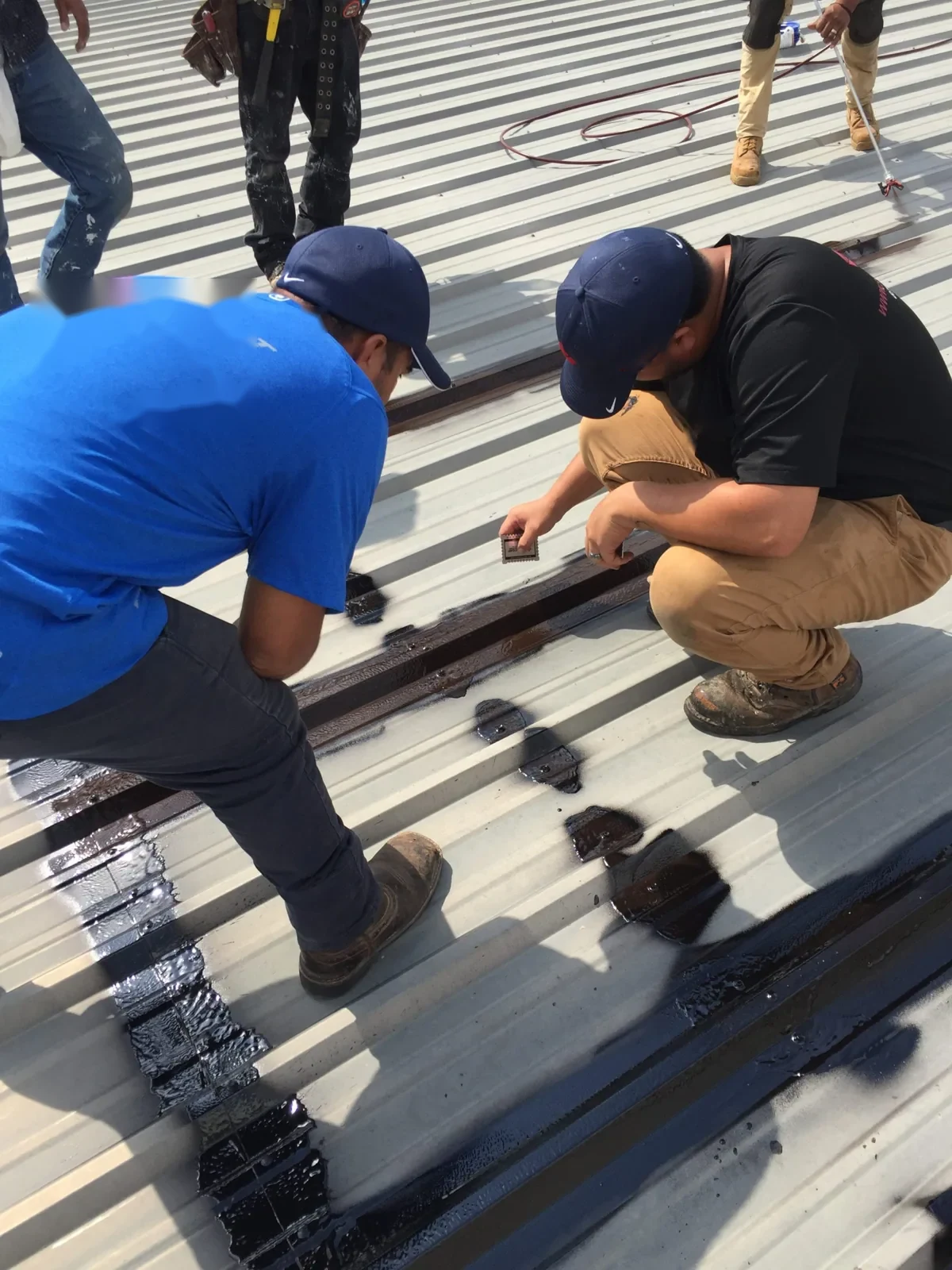
Daily closeout records work completed, materials, inspections, weather holds and the next approval. Send the property list, roof records and operating windows; we will return a condition map and next-step sequence for each address. When a leak or storm report comes in, the team can use that map to locate the affected zone, compare it with earlier repair photos and decide whether a scan or test is needed before pricing permanent work. This keeps a portfolio-wide view connected to field evidence.
How do weather holds affect the record?
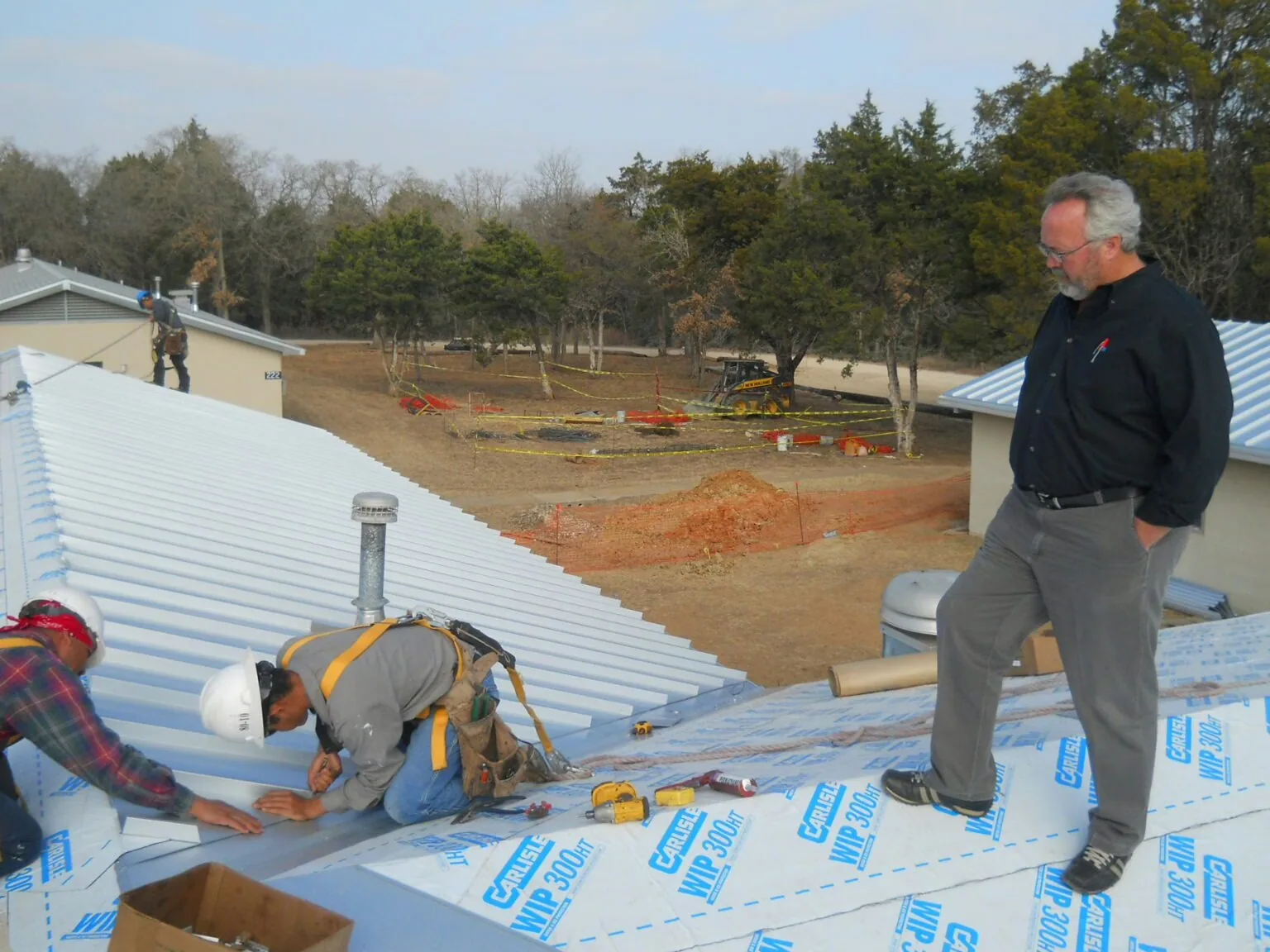
Hail, snow, ice and low temperatures can delay a safe roof walk or a lasting repair. We record the affected roof section, the condition that stopped work and the inspection or application step still needed. When access resumes, the crew rechecks exposed details before moving material or reopening another area. The daily closeout links the hold, return visit and approval to the same address so the portfolio record shows what was inspected, what changed and what remains open.
Commercial Roofing Questions
Can portfolio reports compare buildings fairly?
Yes, when each uses clear condition labels and separate roof records. The comparison still accounts for different systems, access, testing and property use.
Can one register include different roof systems?
Yes. Each building and roof section keeps its own system, condition and service history. Shared fields support portfolio review without blending assemblies.
How are inaccessible roof areas recorded?
The report names the section not reached, the access or weather limit and the return condition. The asset stays marked as partially surveyed until coverage is complete.
What should accompany a capital recommendation?
We connect the finding to photos, roof location, testing limits, cost drivers and the approval needed. The owner can compare repair and renewal using the same evidence.