
Commercial Roof Warranty Management
Connect warranty documents to the roof area
A warranty file only helps when the owner can identify which roof area it covers and what the documents require. In Lakewood, CO, we review the paperwork provided, match it to the building and system where possible, and note inspection, maintenance, notice or repair provisions stated in the file. The issuer’s written terms govern coverage, and the property file should preserve the required service, notice and approval steps. The record helps facilities track the obligations they need to review with the issuer and keep project documentation together.
Lakewood includes a mix of office, retail, medical, government and light-industrial properties. Denver West, Federal Center and Belmar have different building uses and operating schedules. A warranty list should therefore connect document dates and roof areas to each property rather than assume that an owner’s portfolio uses one assembly or identical terms.
Which documents should be matched to the roof?
We organize available warranty certificates, approved system details, invoices, completion records, inspection reports, repair tickets and manufacturer correspondence by address and roof section. The review checks the named owner, covered area, system description, start information and stated inspection or maintenance duties. If a drawing and certificate describe different areas, that discrepancy remains flagged until the owner confirms the correct boundary.
Missing documents are listed as gaps, not reconstructed from a roofing invoice or a building’s apparent age. We identify whether the record supplied appears to cover the full roof or only an addition. Any interpretation of legal terms or coverage remains with the owner and the issuer. Our file can note the practical roof-area question that needs clarification and retain the written answer with the property documents.
A roof asset register can keep warranty files connected to condition and service records. A photo condition report can establish which details were visible during a field visit.
How can service records support the owner’s obligations?
We compare the documents provided with the roof’s current condition and identify maintenance tasks stated in those documents. A scheduled visit may review drains, seams, flashings, penetrations, edges and rooftop equipment interfaces. The technician records work performed, defects found, areas inaccessible and recommended follow-up. If a document requires a specific notice or inspection interval, the owner should verify the requirement and responsible party with the issuer before relying on a calendar reminder.
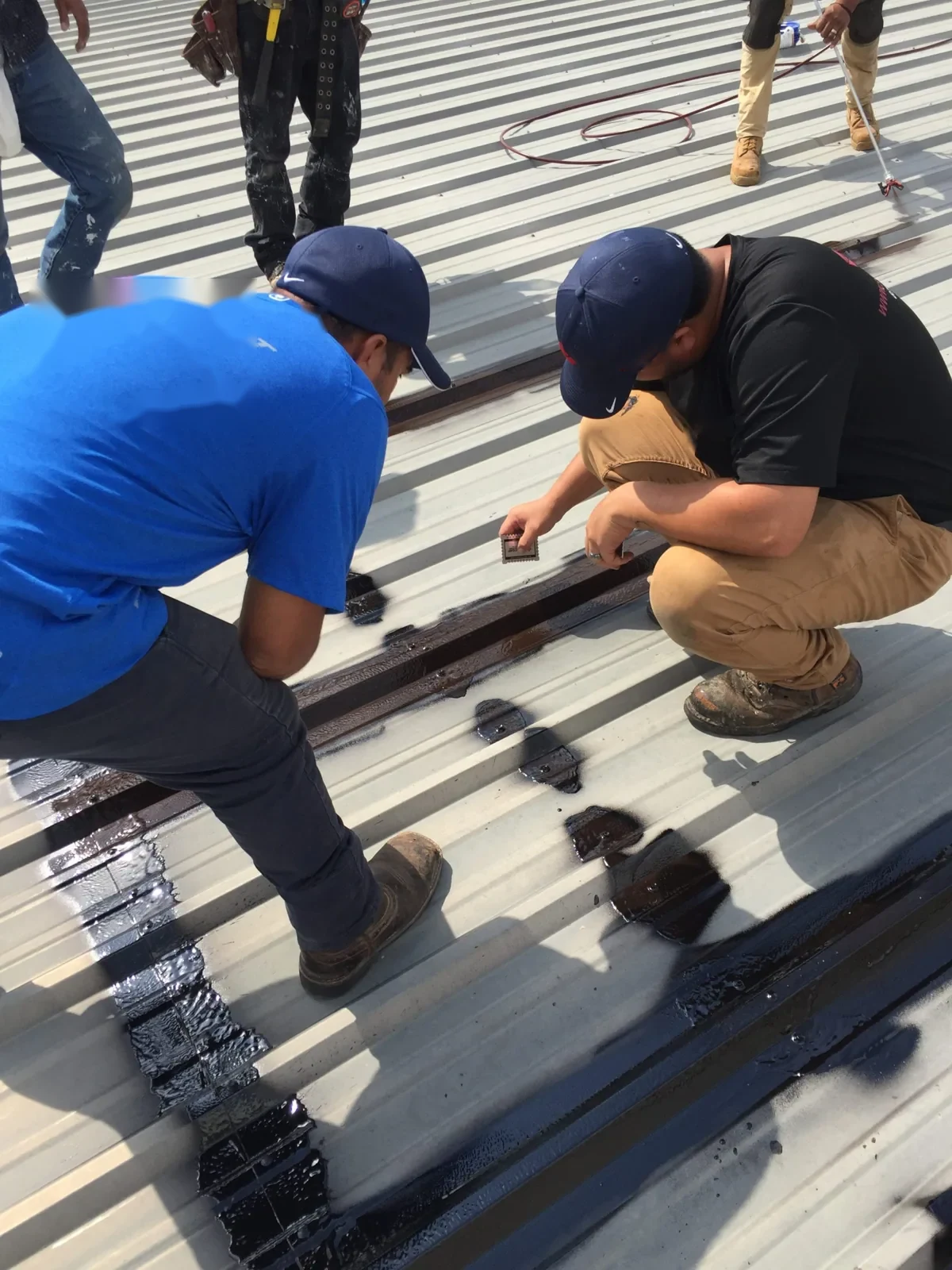
Repairs are documented by location, material, preparation, photographs and approval. If work may affect a covered assembly, we identify that concern before proceeding where the records make it visible, and the owner can obtain the required direction. The owner confirms with the issuer whether a proposed repair requires notice or approval, then keeps that direction in the roof file. The property file keeps the approved scope, written direction and closeout together for later reference.
A preventive maintenance visit can record recurring checks. When a repair is needed, a defined repair scope can tie work to the roof area and approval.
What should happen when a defect is found?
The service record identifies the defect, roof zone, evidence, urgency and any test required to confirm the condition. Active leakage may need stabilization while the owner reviews the warranty process. Before permanent work begins, the owner can check whether the documents require notice, a manufacturer inspection or other approval. If written direction is received, we can include it in the work file and coordinate the agreed visit.
Where the roof is inaccessible due to snow, equipment, a locked hatch or a safety restriction, the report notes the limitation and the return step needed. A condition is not recorded as clear if it was not inspected. If the roof plan, certificate and field details differ, we flag the discrepancy before assigning a repair to a potentially covered area. The owner decides how to resolve the document question with the warranty issuer.
On a Carlisle roof or a Soprema roof, the repair detail and materials should match the installed assembly and the requirements in that property’s issued warranty.
Which Lakewood conditions make record timing useful?
For Lakewood buildings, hail and seasonal heat or cold extremes can compress safe roof work windows. After a storm or a severe temperature period, an inspection can create a date-stamped record of accessible areas, observed damage and follow-up needs. That record may help the owner compare current findings with prior maintenance. The owner follows the issued warranty’s notice and approval steps and records the issuer’s direction with the repair file.
In Lakewood, the load schedule sets 30 psf for ground snow and a 30 psf roof snow/live-load minimum; snow and ice can also restrict access or conceal a drain and seam. The technician records when the visit occurred and which sections were unavailable. At St. Anthony Medical Campus and Denver West Business Park, facility schedules can differ; the property contact sets the actual roof access window and entry route. A Denver West Business Park location record can keep the local property context beside the service log.
How should an owner maintain the warranty file?
The annual review can list certificates received, areas matched, inspections completed, repairs authorized, notices sent by the owner and open questions. We can return field photos and closeout documents with the address and roof-zone identifiers the owner uses. The owner should retain official warranty terms and all issuer correspondence in its records. Any conflicting date, area or system description remains visible for confirmation.
If a repair changes a roof edge, equipment curb or drainage feature, the updated map should reflect the completed work and material installed. Future service can then locate the detail and compare it with the approved record. These steps organize facts for the owner; a claim or coverage outcome remains with the parties that decide it.
Send the Lakewood property list, available certificates, roof plans, maintenance files and open questions. We will match the documents to the site record and identify missing inspections, repairs or clarifications for the owner to review.
Related Roofing Work
Questions About Commercial Roof Warranty Management
Can you confirm that a roof warranty is still active?
We can review the dates and terms in documents supplied and identify a question for the issuer. The manufacturer or warranting party confirms current status and coverage.
Will your maintenance work keep the warranty valid?
Maintenance records can show the work performed and materials installed, but the warranty issuer controls its requirements. The owner should verify each task and approval against the actual certificate.
What if the certificate does not identify the roof area clearly?
We compare it with available plans and field references, then list the boundary that remains uncertain. The owner can request written clarification from the issuer before relying on the file.
Should a leak be stabilized before a warranty inspection?
The owner should follow the certificate and issuer instructions. We can document active water, coordinate access and separately describe temporary protection and permanent repair options.
What records should be retained after a repair?
Keep the approved scope, written direction, photographs, material description, roof-zone location and closeout date with the property’s warranty and maintenance files.
Talk with our Lakewood roof team
Share the Lakewood property list, certificates, roof plans, maintenance history and open service questions. We will map records by building and identify documents or inspections the owner should confirm with the issuer.