
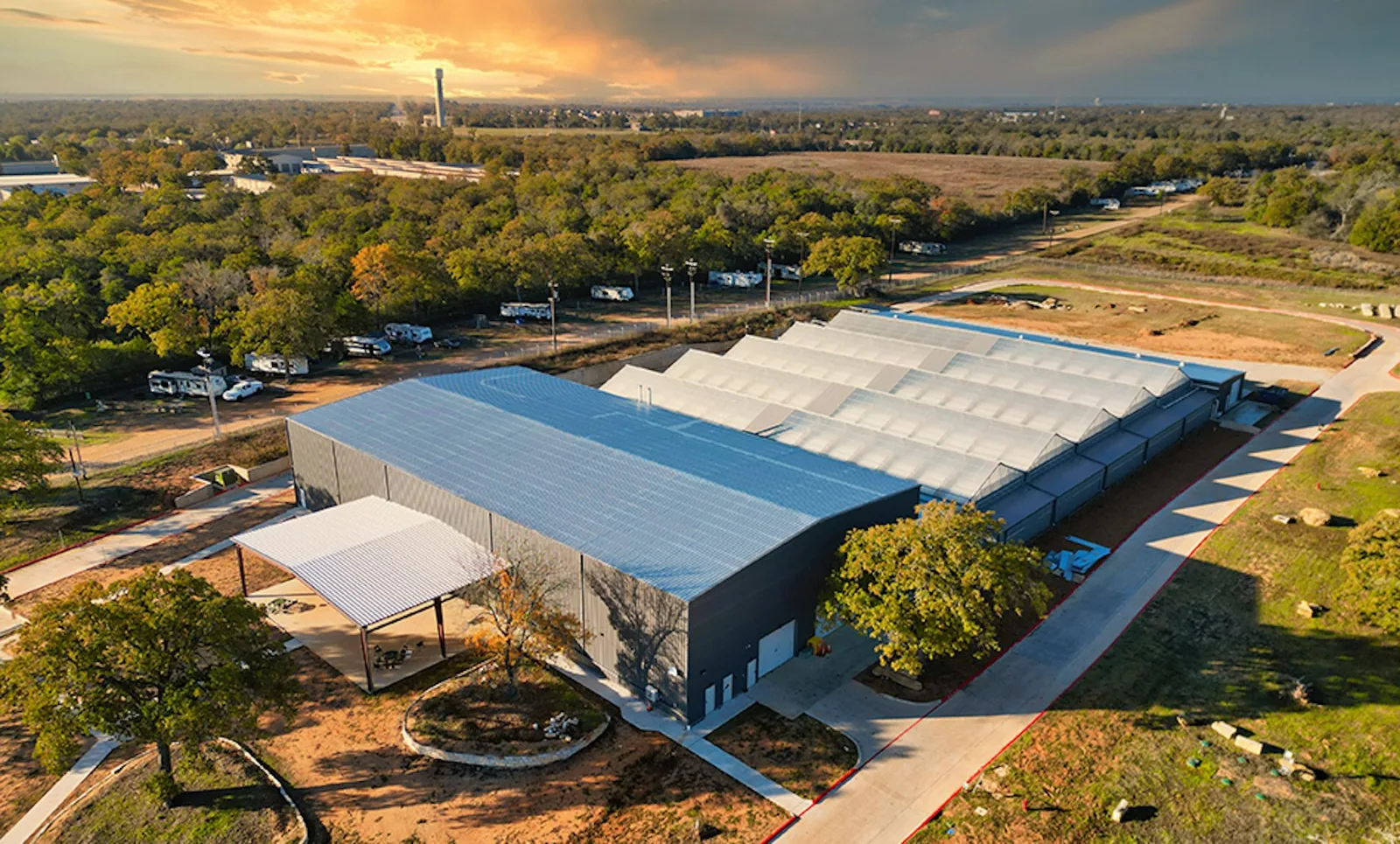
Manufacturing Plant Roofing
Tie roofing phases to the plant schedule
Machine restart and product protection set the first boundary on a manufacturing roof job. In Lakewood, CO, we map exhaust, intake, process piping, electrical equipment and roof access against the production schedule before proposing an opening. The survey records where the roof assembly changes, what must remain in service and which work areas need interior protection. That lets a facility manager compare repair and replacement while tying each phase to an approved shutdown or access window.
Lakewood’s employer sectors include medical devices and electrical contracting, with Terumo BCT and Encore Electric among its top employers. Lakewood Technology Center and Academy Park are commercial centers where office and service activity can affect delivery timing. We confirm each plant’s operation, roof construction and crew route with the facility contact before setting a work phase.
Which penetrations and process areas need a close look?
The roof survey starts with curbs, pipe supports, duct penetrations, exhaust fans, skylights, drains and changes in roof height. We check membrane laps and flashing where vibration or service access may stress a detail, and note corrosion or loose metal around support points. Each item receives a roof location and a photograph that can be compared with interior reports. We also record whether condensate lines discharge onto the roof and whether equipment service routes cross areas that need protection.
Manufacturing buildings can have multiple roof sections installed at different times. We identify membrane type, insulation, cover board, deck and attachment only when drawings or field evidence support it. If the assembly is uncertain, the proposal names a test opening or other investigation rather than pricing a concealed condition as confirmed. A condition record can separate a failed penetration from surrounding insulation that may have absorbed moisture, which affects both the repair limit and restart plan.
When an owner needs a broader baseline, a roof inspection connects field observations with photographs and a repair list. A warehouse roof survey may address similar access needs. A distribution center survey focuses on dock flow; the plant scope adds process services and operating limits.
How does the roof sequence protect production?
We divide work into areas that can be isolated from active process rooms and restored before the agreed restart point. The phase plan names the opening size, expected tie-in, material route, temporary protection and the person authorized to release the next zone. Where equipment cannot be shut down, we confirm required clearance and protection with the facility contact before moving material across the roof. A roof opening should not expose intakes or sensitive equipment to dust, water or loose debris.
Ground logistics matter as well. We set the lift position and staging zone away from required emergency access and identify whether a delivery crosses employee parking, outbound shipping or contractor entrances. Interior controls may include a protected ceiling area, a shutdown notice or a no-work window near a sensitive process. The facility determines its operational controls; we translate the approved limits into a crew route and daily closeout check.
Work in or near Lakewood Technology Center still requires property-specific confirmation of gates, roof access and work hours. If a site is adjacent to offices or service tenants, we sequence noisy removal, crane activity and membrane work so that the owner can communicate the affected period clearly.
When should the plant repair, coat or replace?
A repair is appropriate when damage is limited and the surrounding material can accept a compatible patch or flashing replacement. We trace the condition to a seam, penetration, edge, drain or fastener pattern, then set a repair boundary that includes the required preparation. A coating may be considered for a suitable substrate with sound seams and details, but it does not replace wet insulation, restore a failed deck or correct structural movement. Adhesion checks and preparation requirements belong in the scope.
Replacement is more likely when leaks recur across separate sections, the existing assembly contains widespread moisture, or the roof cannot support reliable attachment for a new layer. A recover can be compared where the existing system is dry, stable and compatible, and where added thickness will not compromise curbs, doors, drainage or equipment clearances. The estimate separates tear-off, deck repairs, insulation, perimeter work and restoration of penetrations so the decision reflects the whole roof assembly.
A coating restoration review can address a surface-renewal option. For a full assembly change, a replacement plan can set phased removal and protection, while a TPO assembly is one system option subject to project design and substrate conditions.
What Lakewood conditions can change a production window?
Lakewood identifies hail plus extreme heat and cold as near-term climate threats. A hail review separates surface dents or finish loss from a puncture, open seam or interior water entry. We map each finding by roof area and process exposure, then set any needed temporary protection before regular operations resume. Extreme heat can affect safe working periods and adhesive handling. Cold can restrict product application or cure, so the sequence follows the material data and observed conditions.
Lakewood’s winter design temperature is 1°F and its air-freezing index is 532. The project designer applies the building’s structural design and roof plan to project requirements. Seasonal snow can prevent a safe walk or delay work at edges and drains. If the roof cannot be accessed safely, we record the hold and move to another cleared phase rather than risking a production-area incident.
Near Academy Park, we confirm the specific property’s operations, delivery route and roof access with its facility contact before defining the crew path. A hail damage assessment can support a repair scope after a storm.
What does the facility receive at the phase boundary?
The shift record lists the roof section reached, materials placed, details completed, open observations and temporary protection. Photos pair each concealed condition with its location before it is covered. If removal exposes wet insulation, corrosion or a deck issue, work stops at the approved limit while the owner reviews the added area and production implications. The next section does not open until the change has a clear price and restart plan.
Before releasing a work zone, we check that drains and access routes are clear, loose debris is removed, and any temporary restrictions are communicated. The closeout can note a follow-up inspection, a remaining repair, or a condition that needs input from the design team. Those entries become the basis for the next day's material drop and for the facility's maintenance record.
For planning, provide roof plans, process schedules, equipment shutdown rules, past repair records and known moisture reports. We will map what can be inspected, identify items requiring verification and present a sequence that respects the operating limits the plant sets.
Related Roofing Work
Questions About Manufacturing Plant Roofing
Can roofing proceed while production equipment runs?
It can when the approved work zone, interior protection and equipment clearances allow it. We confirm operating boundaries with the facility contact and keep the opening within the area that can be protected and closed as scheduled.
How do you handle a roof curb serving critical equipment?
We record its dimensions, flashing condition, service clearance and connection to the roof assembly. If a unit cannot be moved or shut down, the scope states the access and tie-in method that the design and facility approve.
What should happen when removal finds corrosion?
We photograph the deck or support, identify the exposed extent and stop at the agreed boundary. The owner reviews structural input, added work and any revised production window before the crew continues.
Does a coating solve leaks at process piping?
A field coating does not correct a failed pipe boot or unstable support by itself. We inspect the penetration, repair the detail with compatible materials, and consider coating only where the broader surface and product requirements support it.
What records help plan a plant reroof?
Roof drawings, equipment plans, process calendars, shutdown rules, known leaks and prior repair documents help define sections and work windows. We verify details on site and mark unknown assembly conditions before pricing.
Talk with our Lakewood roof team
Send the Lakewood property list, roof plans, production windows, equipment rules and access limits. We will map inspection needs, roof sections and closeout points for a scoped proposal.