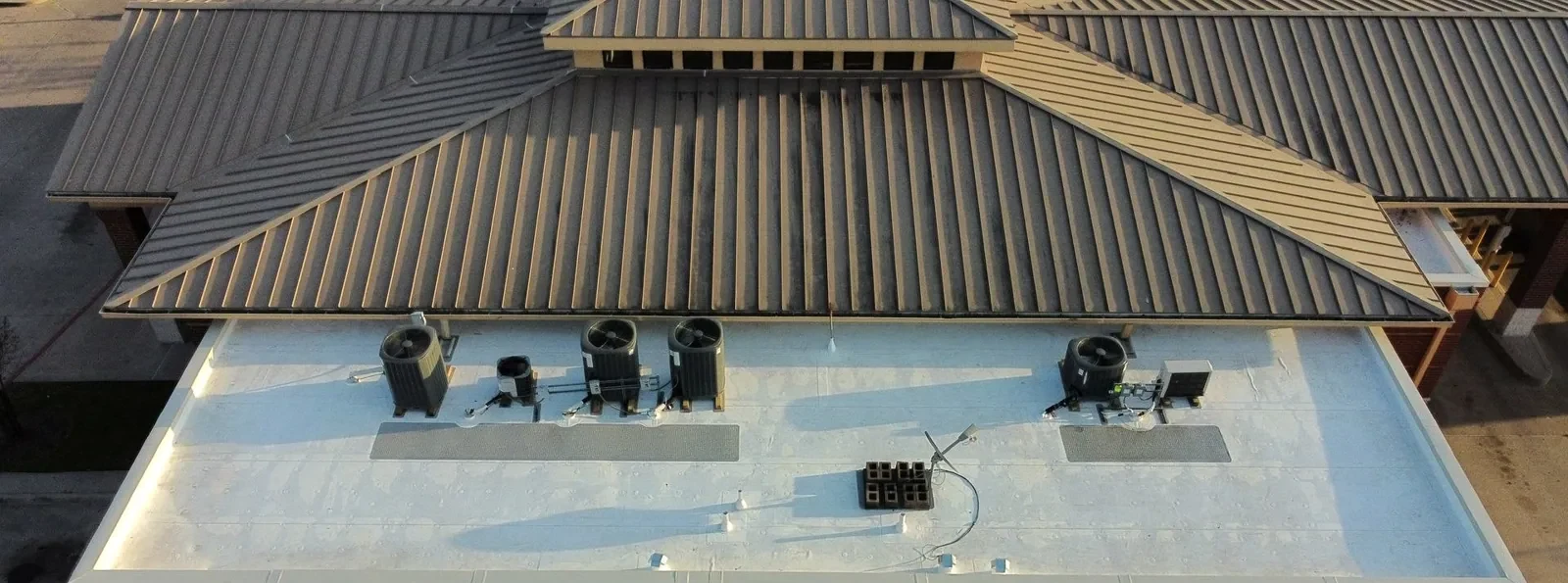
A damage call needs a roof map, not just a description of water in a room. We record the building, date, reported impact and accessible roof sections, then inspect the relevant seams, edges, flashing, drains, penetrations and equipment. The report separates visible openings from suspected conditions below the membrane. Union Square, Colorado Mills and Federal Center represent different commercial settings around Lakewood, but each damage assessment is tied to the address and assembly actually inspected.
The near-term Lakewood hazard outlook includes hail and temperature extremes; these can change inspection access and repair timing. Weather can affect what the crew can inspect and which repair step can be installed. The report states areas not reached, work completed, tests that remain and the next approval required.
How does the crew document impact?
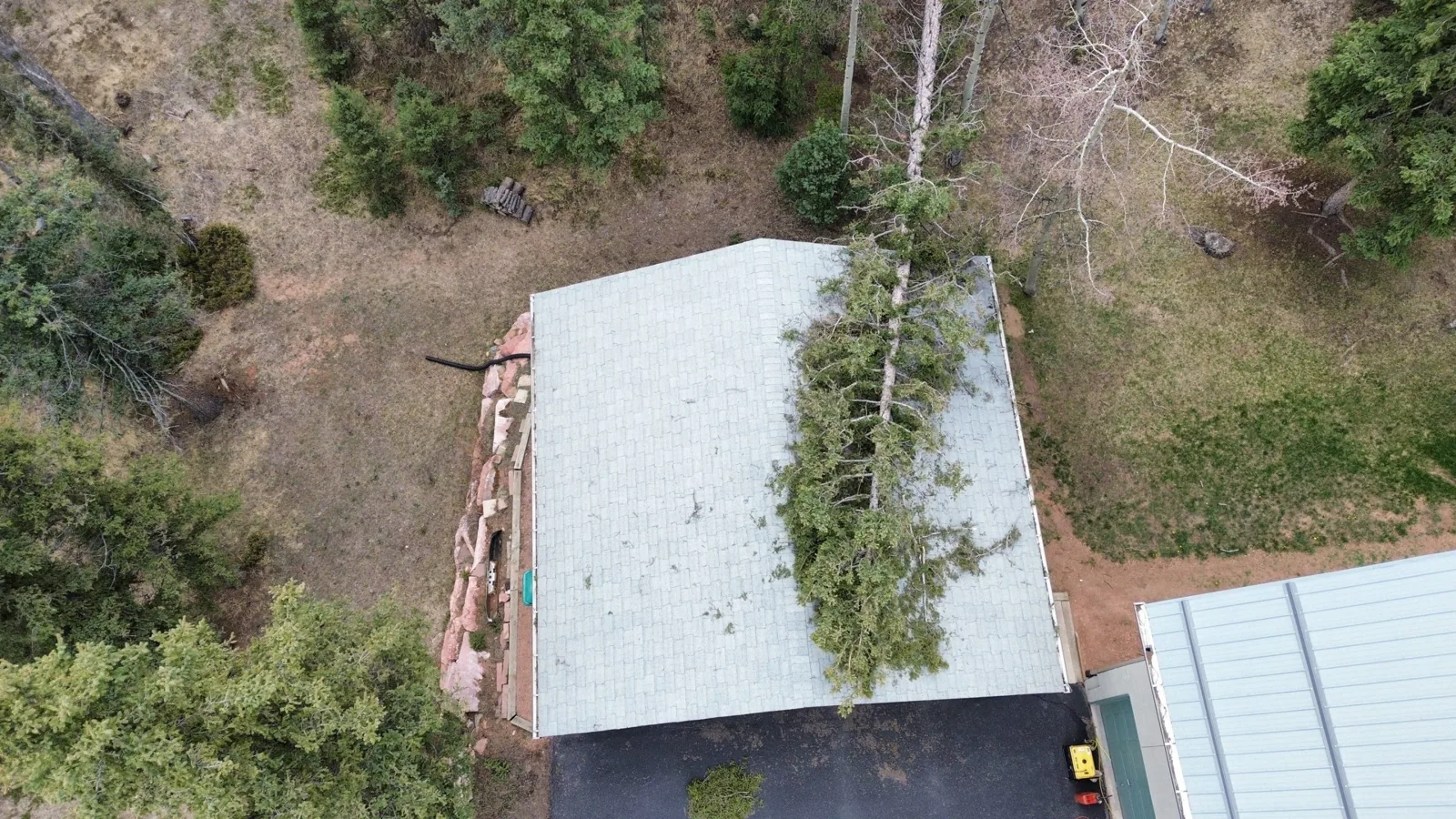
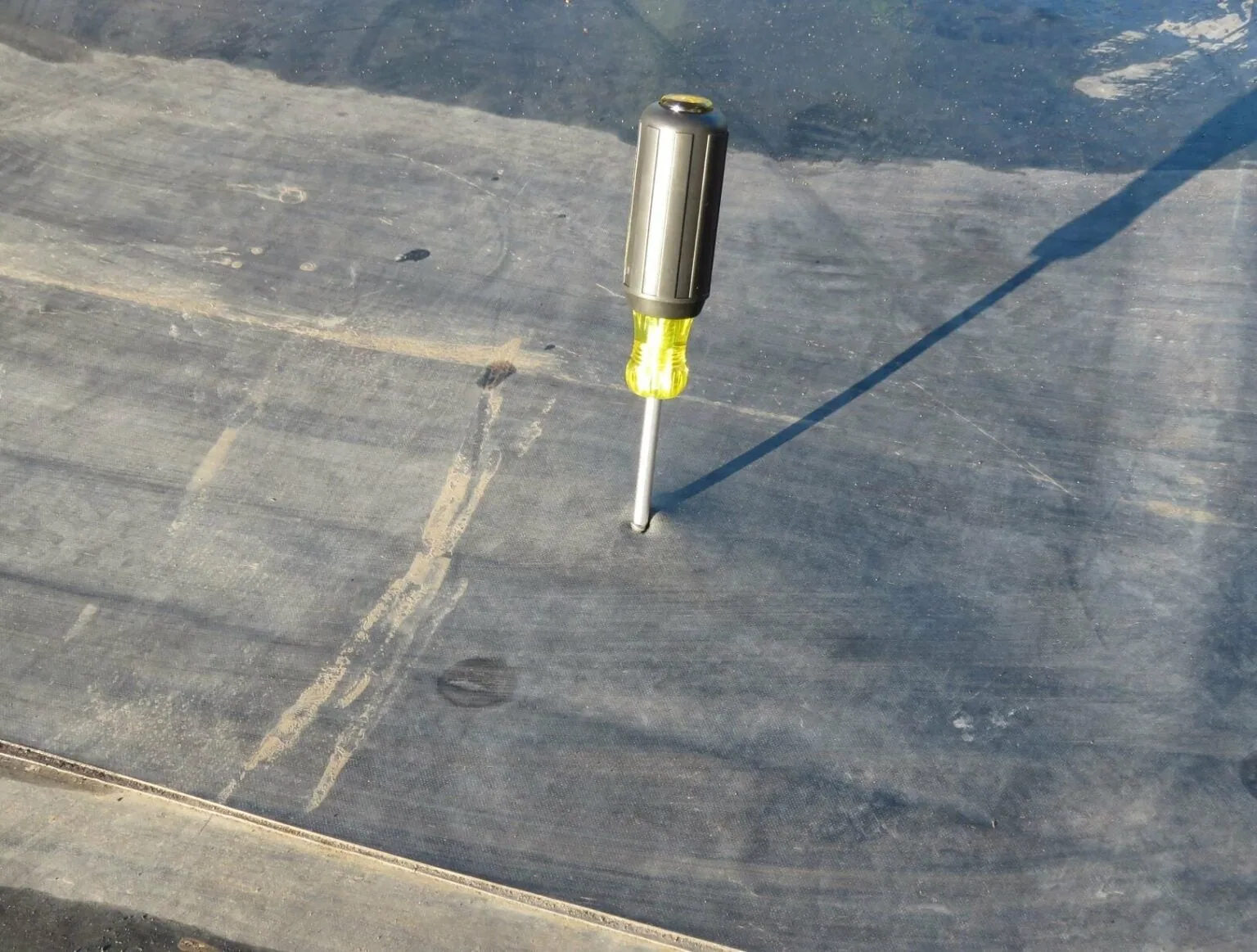
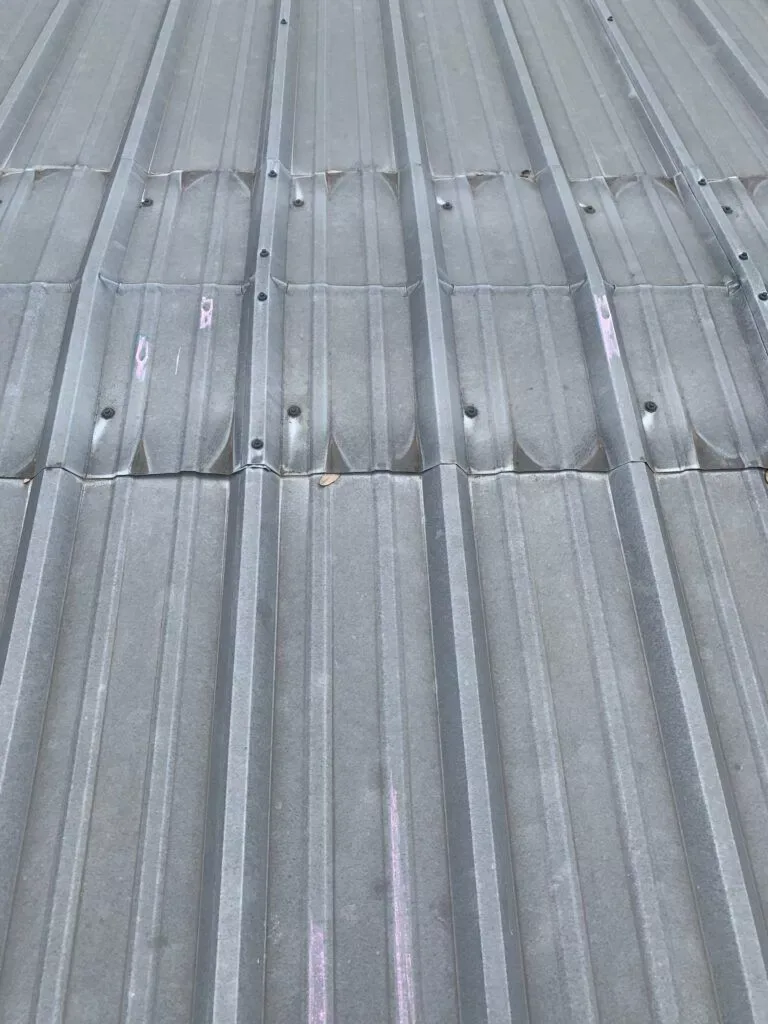
After wind or hail, we map affected roof zones and inspect seams, flashing, edge metal, penetrations and rooftop accessories. Marks that do not break continuity are recorded separately from functional openings. A wind-damage survey, hail inspection or snow and ice review connects each photo to a location and follow-up step.
The Lakewood design baseline is 30 psf at ground level and at least 30 psf for roof snow or live load. Risk Category II wind criteria are 138 mph east of Kipling and 166 mph west; project design applies the relevant value. A designer or engineer evaluates project requirements separately from a damage inspection.
What can look similar from inside?
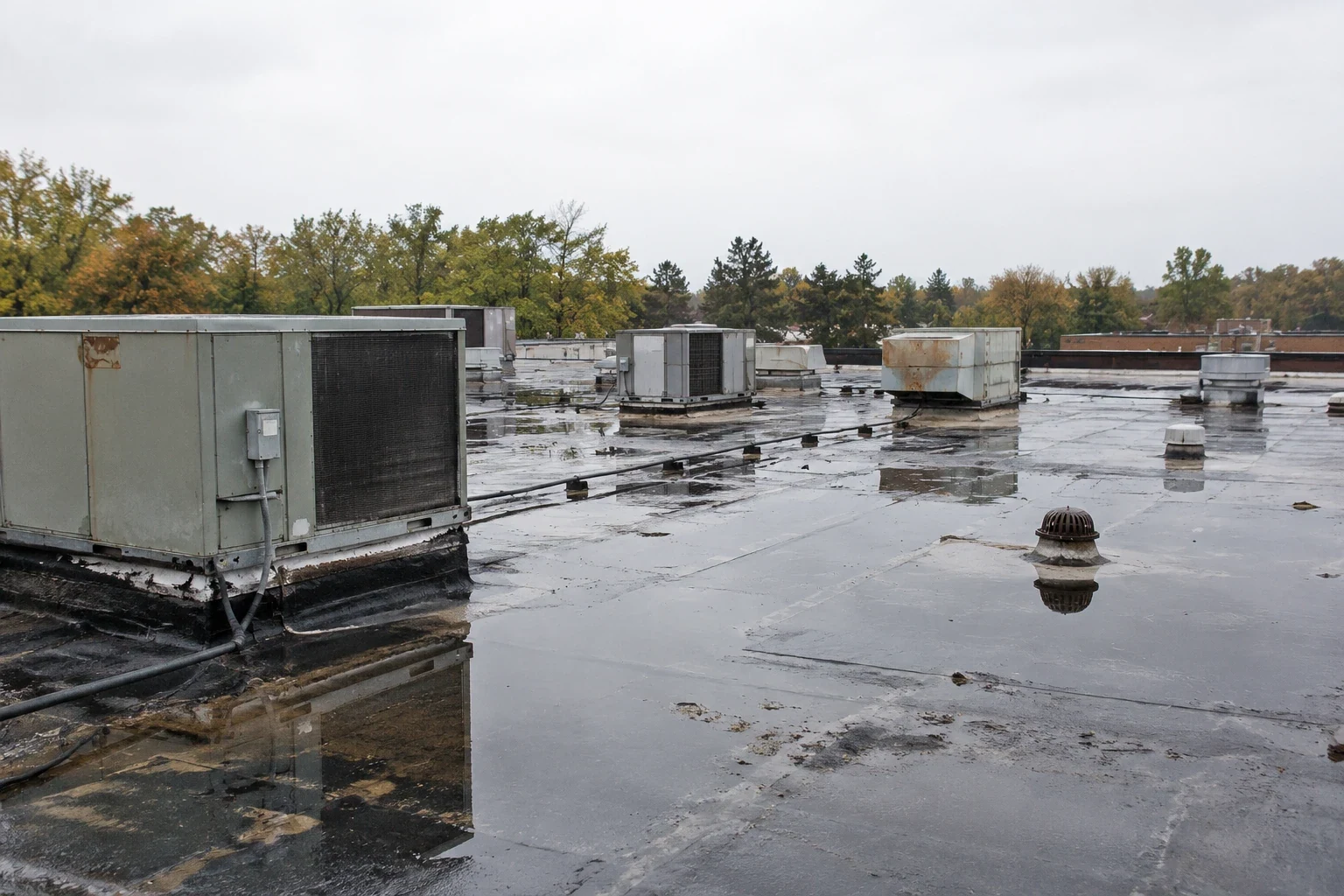
A ceiling stain can follow a deck flute or pipe before appearing below a roof defect. We trace the reported date and room against seams, penetrations, drainage and wall transitions. If the source remains unclear, a scan or test opening can be proposed. Ponding-water concerns, failed flashing, seam openings and membrane punctures receive separate scopes where the field evidence supports them.
The report marks which conditions are confirmed and which remain a test question. Temporary protection may be priced while the permanent scope is determined.
How do heat and fire findings change the inspection?
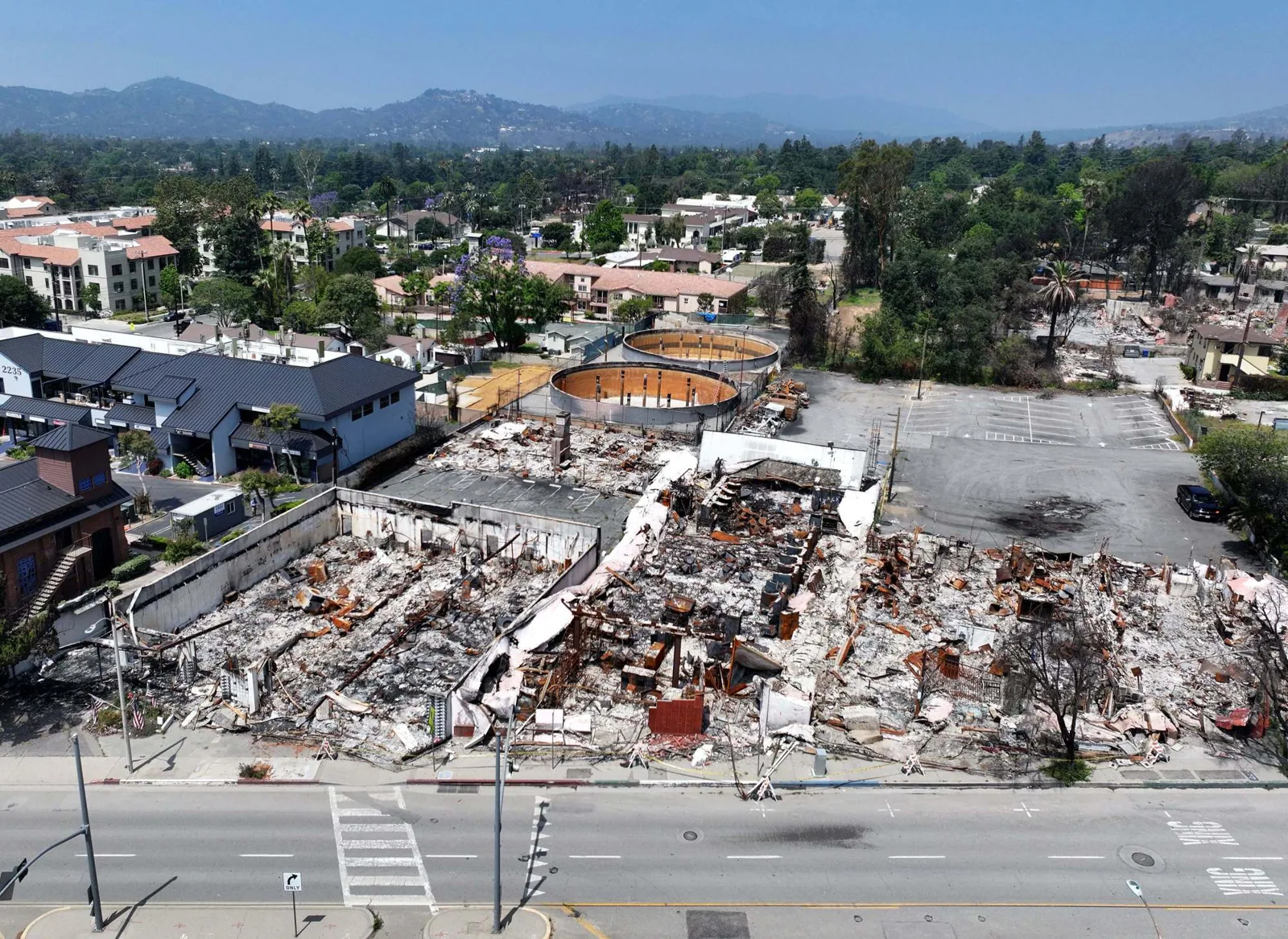
Extreme heat and cold in Lakewood can affect safe access, material handling and repair conditions. A heat or UV review records surface and flashing deterioration by section. Fire damage requires review of membrane, insulation, deck and smoke-related effects; a fire-damage assessment separates visible impact from concealed conditions that require testing.
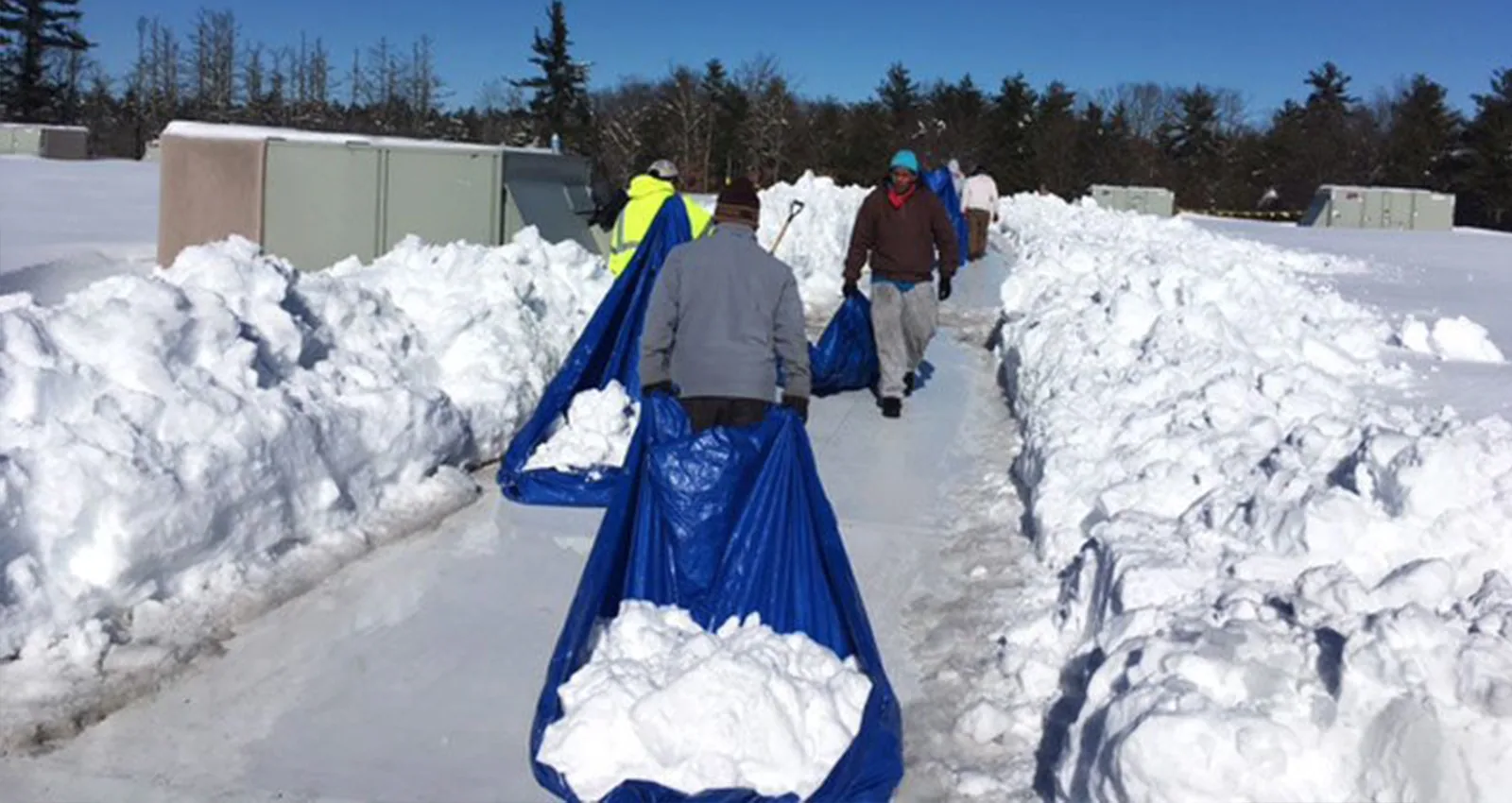
Snow, ice or hot roof surfaces may delay access. The crew records the affected zone and return condition instead of extending findings beyond what can be safely inspected.
How does a repair scope protect the owner’s decision?
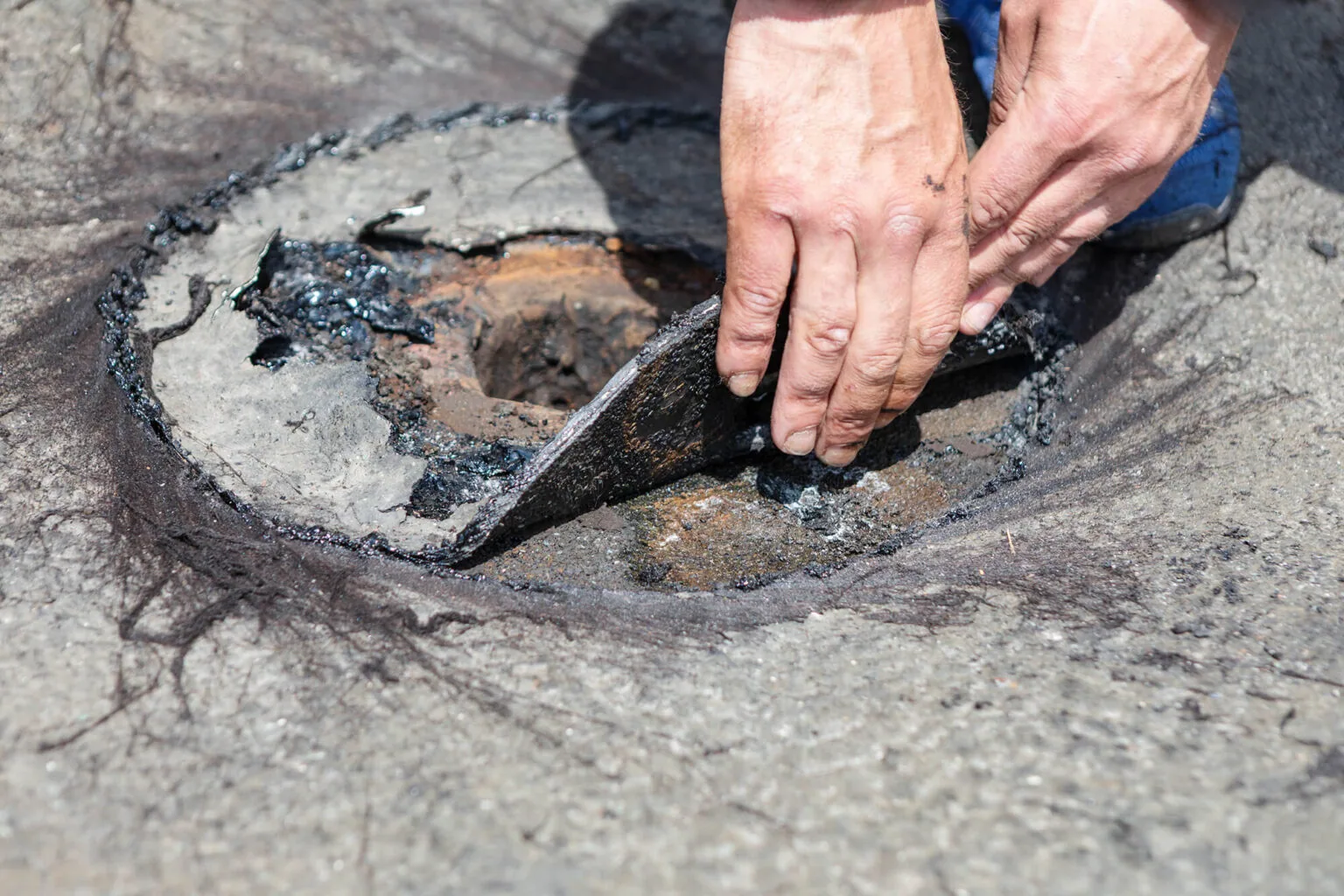
A proposal identifies the observed damage, repair material, preparation, quantity and roof-section boundary. If testing is needed, it states what the result will determine. Concealed deck damage or wet insulation discovered after opening is documented before the scope expands. The owner receives photographs, measurements and a change request before added work begins.
For properties around Denver West or St. Anthony Medical Campus, access, equipment and tenant windows can shape the sequence. Each closeout records the temporary tie-in, completed detail, inspection and work remaining. Send the address, roof plan and service history; we will map the damage and return the next repair or replacement decision.
Commercial Roofing Questions
Does a storm report prove the whole roof is damaged?
No. The inspection maps areas reached, functional defects and access gaps. Testing may be needed before concealed damage or replacement quantity can be confirmed.
Which damage findings need a test opening?
A scan, core or test cut helps when moisture extent, deck condition or adhesion will change the repair boundary. We identify the location and question before opening the roof.
When does emergency protection become a permanent repair?
Temporary cover controls active water while the permanent detail is prepared. The final scope follows the confirmed membrane, substrate and repair area, with any added removal priced for approval.
What should the owner share after a storm?
Send the event date, roof plan, interior leak locations, prior repairs and access rules. We map reachable areas, photograph functional damage and list testing or authorization needed next.