
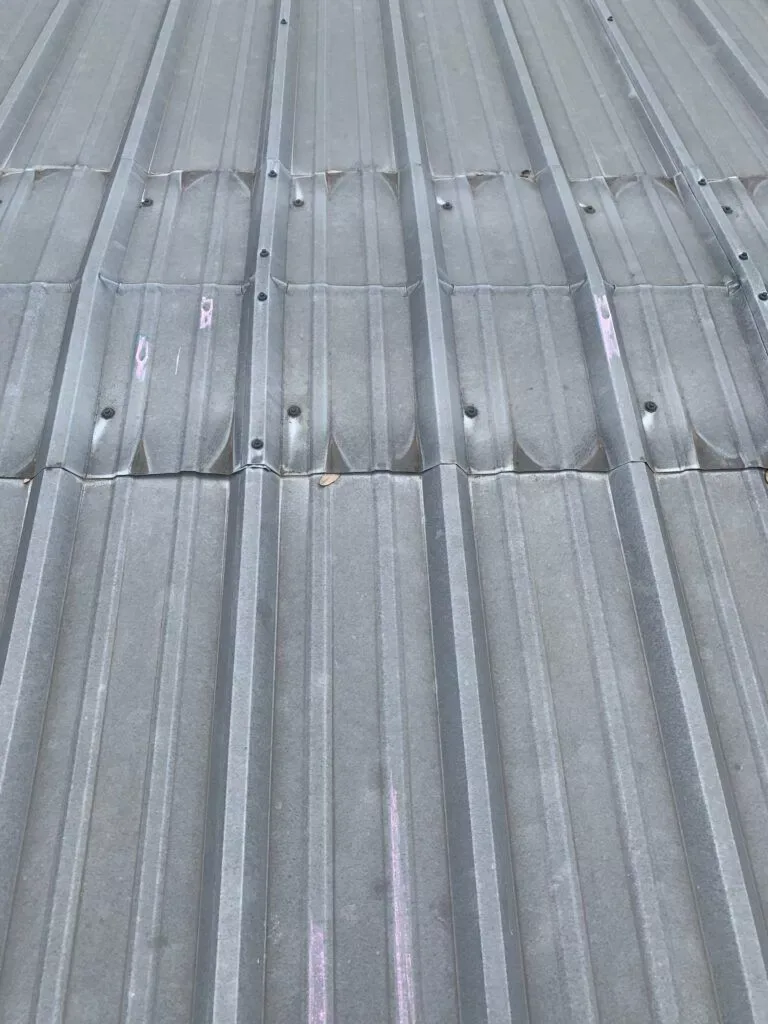
Commercial Hail Damage Roof Repair
Map hail findings by roof zone
After hail, a commercial roof survey should separate visible impact marks from openings or details that no longer shed water. In Lakewood, CO, we record the property, reported event information, roof system and affected zones before recommending repair. The inspection ties photos to seams, penetrations, edge metal, curbs and interior reports. It also lists surfaces not reached and tests needed to see whether moisture is present beneath the membrane.
Lakewood’s climate assessment identifies hail as a leading near-term hazard, along with extreme heat and cold. That establishes a reason to keep an event inspection in the maintenance plan, not proof that hail damaged a particular building. We document the actual roof condition and distinguish fresh observations from older wear or prior service. Each repair recommendation follows the evidence visible or confirmed at the site.
Which hail marks affect roof performance?
We check membrane and metal surfaces for punctures, splits, displaced flashing, damaged caps, exposed reinforcement, loose fasteners and broken rooftop accessories. A dent or mark may be cosmetic, while an opening or displaced transition can permit water entry. The report describes the material and location instead of treating every mark as a functional failure. Where an interior leak is reported, we compare its timing and room location with roof details above and adjacent.
Different assemblies show impact in different ways. We identify whether the roof uses a membrane, coated surface, metal panels or another system and note the condition of seams and attachment. Hail review may require a safe view of higher edges, equipment surrounds or covered areas. If a location cannot be reached, it remains an open item. Moisture scanning or a test opening can be proposed when concealed water could change the repair boundary.
A storm damage inspection can document event-related conditions. Where impact produces an opening, a membrane puncture evaluation can scope the affected area.
What evidence belongs in the property file?
The inspection record lists date, property, accessible roof zones, system observed, damage description, photographs and recommended next action. We note information about the event that the owner provides and keep it separate from what the roof shows. A report can include repair quantities or explain why a measurement or test remains open. This helps the owner make a work decision without treating a visual survey as a coverage or causation determination.
For an occupied property, the map includes entrances, tenants, equipment, interior protection and the routes used for inspection. At Denver West/Colorado Mills, the commercial hub includes major retail and office uses, while Lakewood Civic Center serves a government and visitor setting. These local areas illustrate why a roof visit may need distinct access coordination; the actual property team establishes the route, lift position and tenant notice.
A claim documentation scope can assemble photos and repair details for the owner’s process. At a roof near Denver West and Colorado Mills, the property contact sets the loading route and inspection window.
When should the owner authorize repair?
A confirmed puncture, open seam, broken flashing or damaged penetration can support a defined repair. We describe the material, preparation, tie-in, access, protection and quality check. If hail marks do not show functional damage, we can record them for reference without including unnecessary replacement. If water is found beneath the surface or substrate damage appears, work stops at the approved limit and the owner reviews the added finding before removal grows.
Broader renewal may be considered where a system has widespread failures or cannot accept a compatible repair. A recover requires evidence that the existing assembly is suitable for an added layer, with drainage, attachment and height checked. Tear-off may be required when wet layers, damaged deck or unsuitable substrate are found. The estimate separates measured work from testing or design questions so the property team can authorize the current scope with its assumptions visible.
A localized roof repair can address verified defects. A replacement comparison can be prepared if findings extend across multiple roof zones.
What local conditions affect a post-hail visit?
Lakewood’s climate study also identifies extreme heat and extreme cold among near-term hazards. A hot roof can affect safe inspection hours and material handling; cold weather may constrain adhesive installation or cure. Snow or ice can cover impact evidence and prevent a safe route to a roof edge. We record these conditions during the survey and schedule a return when the affected area can be inspected properly.
The city’s commercial hubs include Belmar, Denver West and Federal Center. Site circulation, service entrances and delivery rules vary by property, so a storm inspection is coordinated with the manager or facility contact. Photos should identify the roof section and reference detail so the owner can compare any later work. If an emergency cover is installed, the report names its boundaries and follow-up date rather than presenting a covered condition as fully inspected.
A wind damage check can document separate edge or attachment movement when the event report includes it.
How is a repair verified after installation?
The closeout identifies repaired roof zones, materials, measurements, preparation and photographs before and after installation. If hidden damage changed the scope, the record links the added work to the owner’s approval. Any unresolved testing, temporary protection or restricted access remains on the follow-up list. The property team can attach the final file to its event record and use the same zone labels during a later maintenance check.
After repair, we inspect the tie-in and adjacent seams, check drainage around the affected detail and document any hold before the roof area returns to regular service. A repeat inspection can look for movement or water entry after suitable weather. This review checks the repaired work and its surroundings; it does not make a finding about unrelated roof sections that were outside the scope.
Send the Lakewood property address, event notes, roof plans, prior repairs and interior reports. We will map hail observations, separate functional defects from marks and return a repair scope with testing needs stated.
Related Roofing Work
Questions About Commercial Hail Damage Roof Repair
Does every hail mark need a roof repair?
No. We distinguish cosmetic marks from punctures, displaced details or other evidence of impaired performance. The report identifies each observation and the next action supported by it.
Can a hail inspection support an insurance submission?
We can provide dated photographs, location notes and a repair scope for the owner to use in its process. Coverage decisions belong to the owner and insurer under the policy.
What if hail damage is under a walkway or equipment?
The report identifies the blocked area and who must authorize access. If that area matters to the repair decision, we schedule a safe follow-up after the obstruction can be handled.
Can you repair the roof before the claim is resolved?
The owner controls authorization and the timing of permanent work. We can document urgent stabilization separately and provide a defined repair proposal for its review.
How do you check for water beneath the membrane?
A visual survey may not show concealed moisture. We can propose infrared review or a test opening with a defined location, question and restoration detail.
Talk with our Lakewood roof team
Share the Lakewood address, event details, roof plans, access rules, photos and interior reports. We will document impact observations, confirm testing needs and price the repair boundary supported by the inspection.