
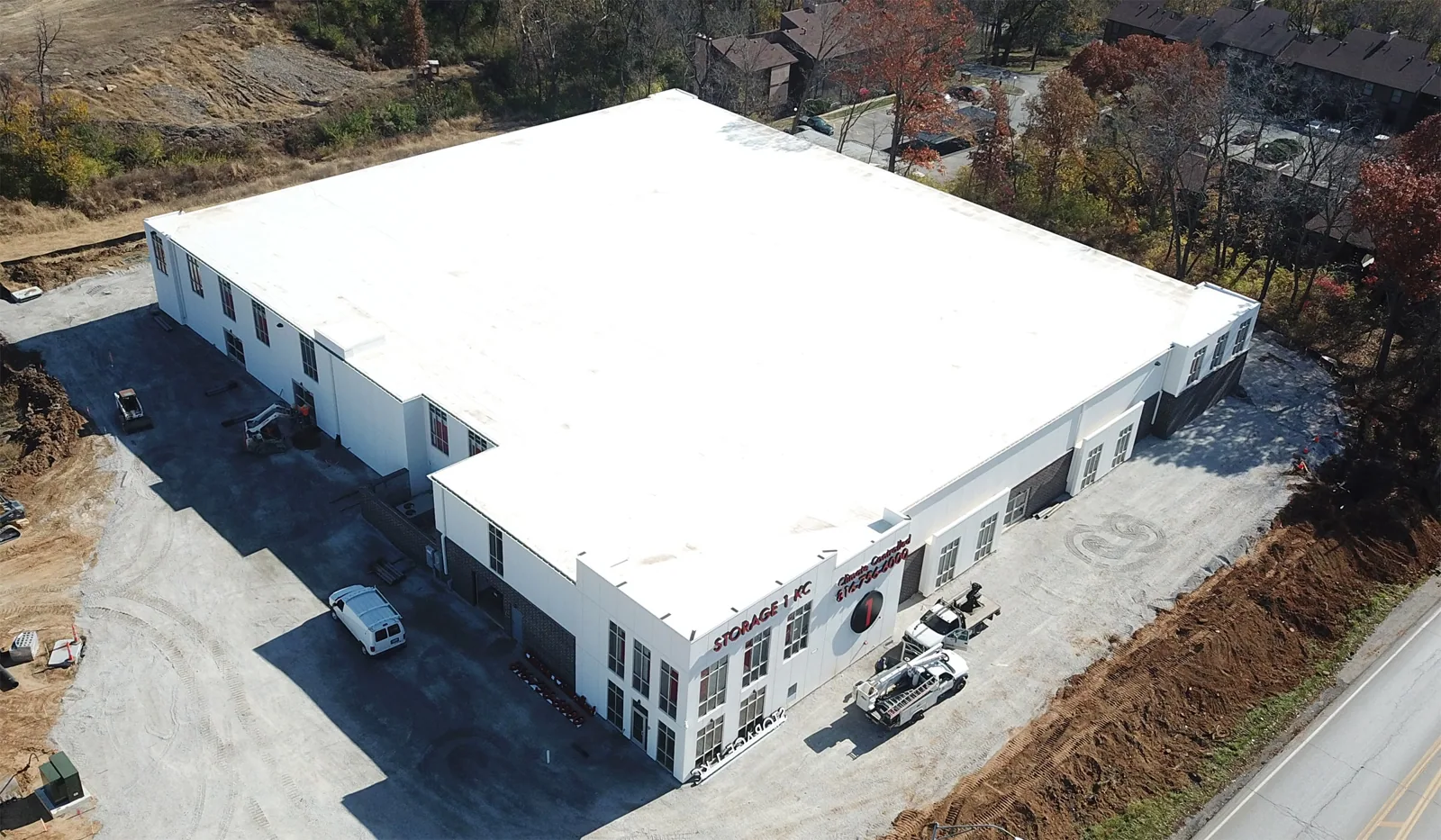
TPO Roofing
Plan a Lakewood TPO Roof
A distribution roof with frequent service traffic needs a membrane plan that accounts for seams, walk paths, drains and equipment routes. For a Lakewood, CO property, we review the deck, existing layers, insulation, attachment requirements and operating windows before specifying TPO work. Thermoplastic polyolefin is a single-ply membrane with heat-welded seams; the result depends on compatible details, sound substrate preparation and field quality checks. The roof map names each section and ties material drops to a secure same-shift boundary.
At Creekside at Colfax and Wadsworth, retail loading and customer access can shape staging. The Union Square business area has different office and commercial operating windows. We confirm conditions at the property rather than assigning a system from its location.
What must the roof assembly include?
The membrane works as part of an assembly that includes the deck, vapor control where specified, insulation, cover board, attachment, flashings and perimeter details. The designer sets thermal and fire requirements, while field review confirms dimensions and existing conditions. We note whether the deck is concrete, metal or another construction where visible or verified, then identify any opening needed before attachment quantities are finalized.
Insulation boards, cover board and membrane attachment must be planned as one assembly. We check fastener pullout or adhesive requirements against the project documents and the actual substrate. At parapets and curbs, the finished membrane height has to meet the specified detail without covering drains, equipment labels or service clearances. The estimate identifies where the assembly is known and where a test opening or designer direction is still needed before the crew can place material.
TPO can be mechanically attached, adhered or installed in another approved configuration. Wind design, deck type, substrate, building use and project documents determine the choice. Lakewood assigns Risk II properties east of Kipling 138 mph ultimate wind and properties west of it 166 mph; compare the site location with the specified assembly and attachment schedule. A cover-board and insulation scope can resolve thickness and slope changes before membrane placement.
How are the seams and penetrations verified?
Heat-welded laps require a clean, dry surface and settings suited to the membrane and field conditions. The installer makes trial welds, checks the result and adjusts before production continues. We identify seam direction, T-joints, curb corners, drain rings, pipes, equipment supports and transitions that need separate detail work. A completed seam is checked using the method in the approved quality plan, and open items stay on the daily closeout until corrected.
Penetrations and edges often control the roof section more than the broad field. The work map marks each curb, skylight, pipe and termination. Opening and curb flashing can be coordinated with the membrane detail; perimeter metal work can align the termination with edge attachment. Around the Federal Center, government and medical operations can add restricted access or escort steps that must be confirmed before detailing starts.
When is TPO a practical option?
We compare the specified membrane with the owner’s service plan, rooftop traffic, chemical exposure, drainage, attachment and repair access. TPO may fit a project where the design calls for a heat-welded single-ply assembly and the substrate supports the approved method. It should not be selected on color alone. Existing layers, wet insulation, poor edge conditions or incompatible prior materials can change the recommendation toward selective removal, recover or complete replacement.
Colorado Mills is a 1.4-million-square-foot regional mall; on a retail reroof, the survey still measures the actual roof sections, transitions and attachment conditions at the property. Large or phased properties benefit from section labels, delivery paths and tenant windows. Recover evaluation can test whether existing layers may remain, while replacement scoping defines a full assembly where removal is needed. Alternative thermoplastic assemblies include PVC and KEE, each subject to project requirements.
How is installation sequenced?
We map the staging zone, lift position, material drop and crew route with the property contact. The sequence accounts for roof access, tenant windows, deliveries, equipment shutdowns, fire lanes and areas that must remain open. Tear-off and membrane placement progress only as quickly as the assembly can be secured. Weather, surface moisture and product conditions set the daily stopping point. If wind or temperature shifts, the crew closes the active section and records what remains.
Materials are staged to stay clean and dry, with package quantities matched to the area planned for that shift. We confirm where roll seams land relative to drains and rooftop equipment before unrolling. If a section requires a temporary tie-in to existing roofing, the superintendent records its location and inspects it again when permanent work resumes.
For an occupied building, notice and interior protection are coordinated before removal. A tenant-focused reroof plan can list affected entrances and equipment downtime. If hail or cold-weather conditions affect the installation window, we mark the deferred section and update the access schedule rather than carrying a missed phase into another tenant period.
What is checked before turnover?
Quality checks follow the approved submittal and include field seams, transitions, drains, edges, penetrations and any test points in the project plan. The closeout records membrane identification, installation areas, photographs, repair notes and open items. The roof plan labels completed sections and access paths for later maintenance. A warranty or manufacturer inspection, if required by contract, is coordinated as a separate acceptance step.
Before equipment or walkway pads cover a seam, required inspections take place at the point listed in the quality plan. The superintendent records date, section and correction for each check. Where testing is specified, the report names the test area and result. A broad photo of a completed field cannot substitute for a record of a seam or flashing detail that later becomes inaccessible.
Send roof plans, system history, design criteria, tenant schedule and equipment layout. We will inspect the existing assembly, identify what must be tested and return a scope with a production sequence and documented closeout. After installation, the asset manager receives a section record that can guide service calls and the next condition review.
Related Roofing Work
Questions About TPO Roofing
Are TPO seams glued together?
Field laps are heat-welded using settings and procedures suited to the membrane. Adhesives may be part of other assembly details, but they do not replace the specified seam weld.
Can new TPO go over the existing roof?
A recover requires verified layer count, a suitable substrate, sound attachment, adequate drainage and project approval. Testing and detail elevations determine whether existing materials can remain.
Does white TPO lower cooling costs?
A reflective surface can change solar absorption, but energy use also depends on insulation, HVAC, controls and occupancy. A building-specific model is needed for a quantified projection.
What happens if a weld check finds an open seam?
The installer repairs and reinspects the location under the project quality plan. The section is not recorded as complete until the open item is corrected and documented.
Can crews install TPO around active rooftop units?
The equipment schedule and roof access route set the work sequence. We coordinate shutdowns, curb details and tenant windows with facility and mechanical contacts before opening the affected section.
Talk with our Lakewood roof team
Send the roof plan, existing system records, design requirements, tenant windows and equipment layout. We will map the TPO assembly, section sequence and closeout checks.