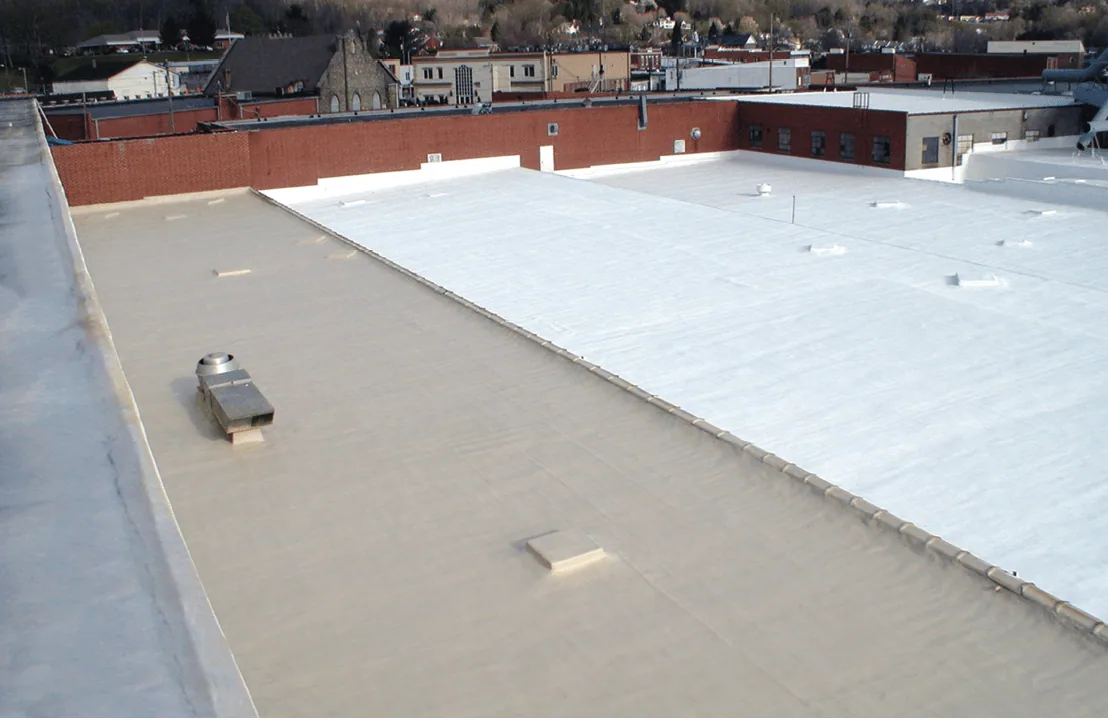
A roof system is more than the visible membrane or metal. Deck, insulation, cover board, attachment, seams, drainage and perimeter details work together. Before we recommend a repair or replacement, we identify the assembly from records and field conditions, then mark sections where a transition or earlier project changed the build-up. That keeps a product comparison tied to the building instead of to a generic material label.
Lakewood’s commercial centers include Denver West, Belmar and Federal Center, with office, retail, government and medical uses across the city. Those properties can have different access windows and roof histories. We check the owner’s plan, reported leaks, equipment routes and design constraints before selecting a system path.
Which low-slope membrane matches the roof?
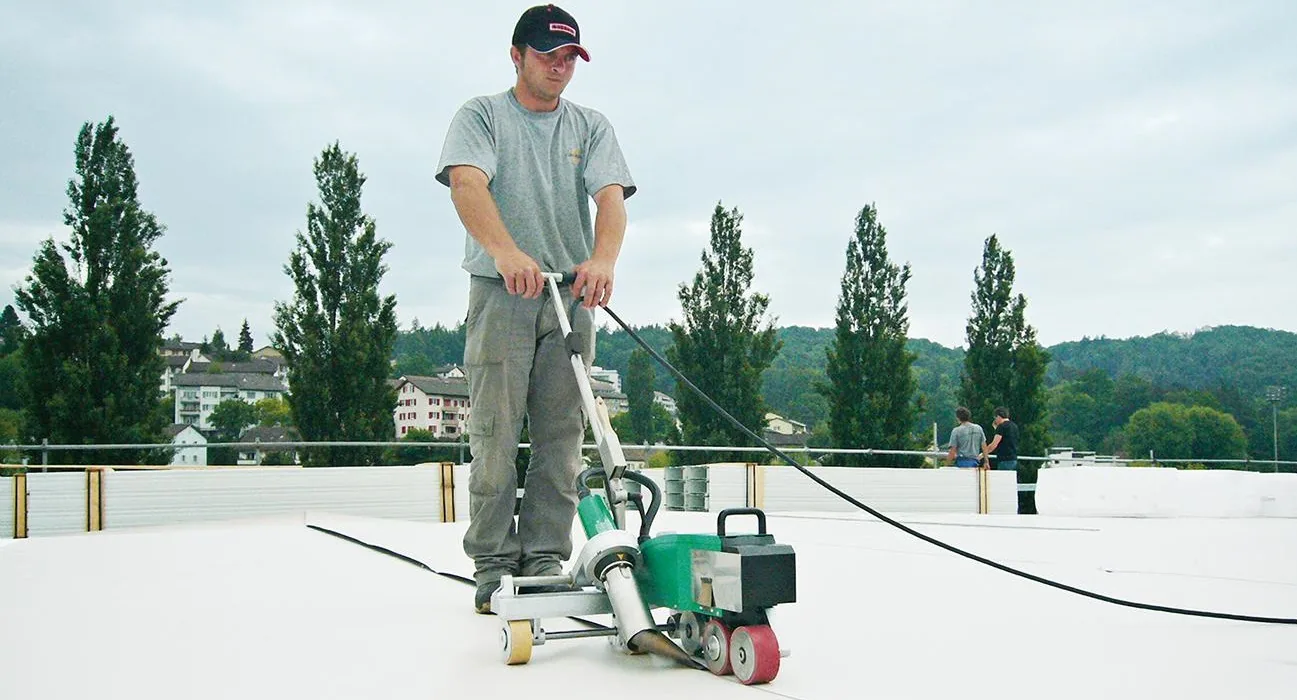
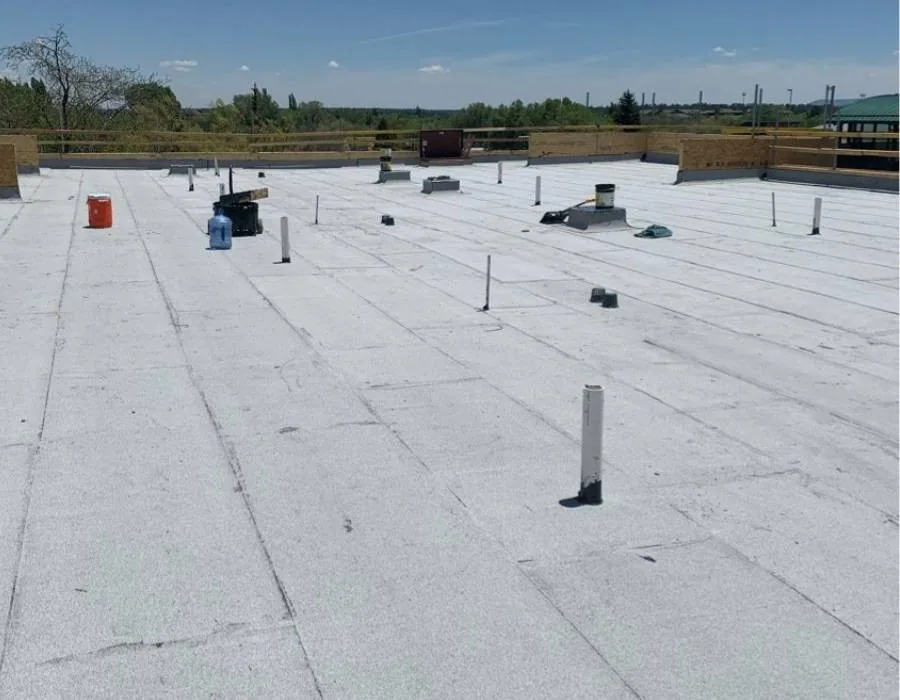
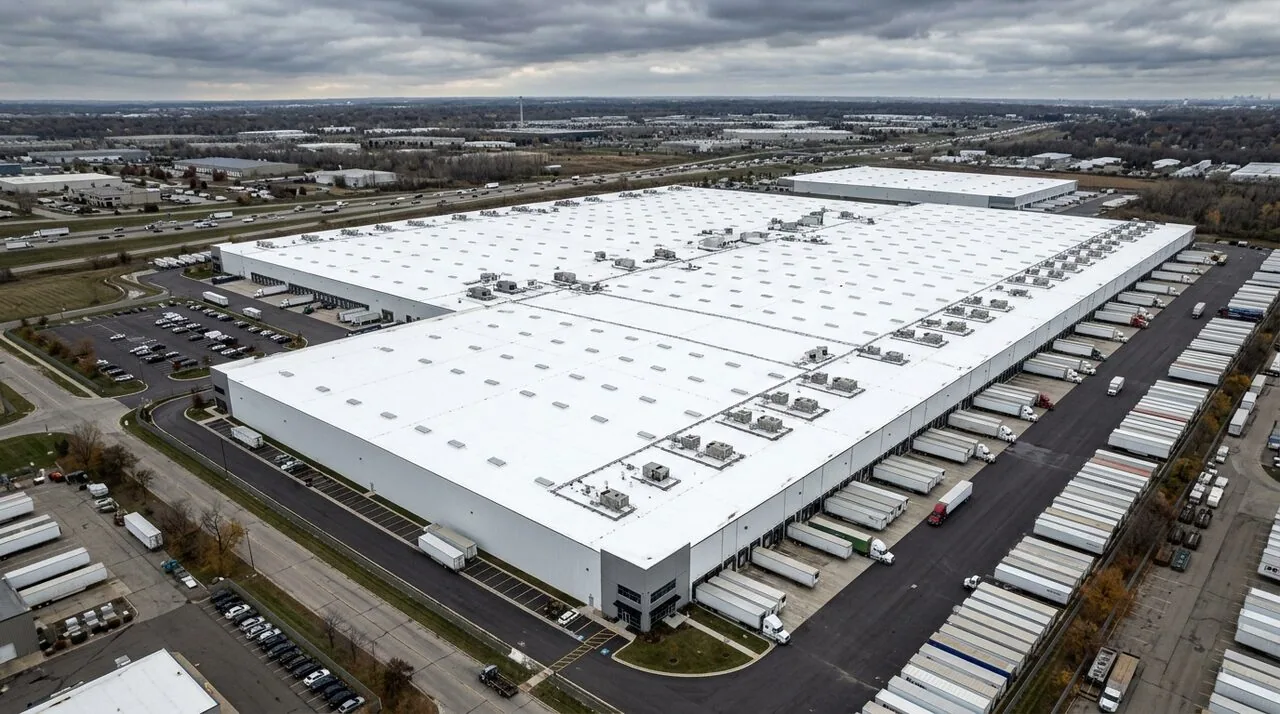
Thermoplastic membranes use welded seams, while EPDM uses different seam and flashing methods. The approved assembly determines insulation, attachment and edge details. We review TPO roofing, PVC systems and EPDM assemblies against the existing roof, not as interchangeable materials. KEE formulations and product-specific requirements also matter when the scope calls for KEE roofing.
Inspection records should locate open seams, patch edges, curbs and drains. If moisture beneath the sheet is uncertain, a scan or test can affect whether a recover remains feasible.
When do multi-ply or metal systems enter the review?
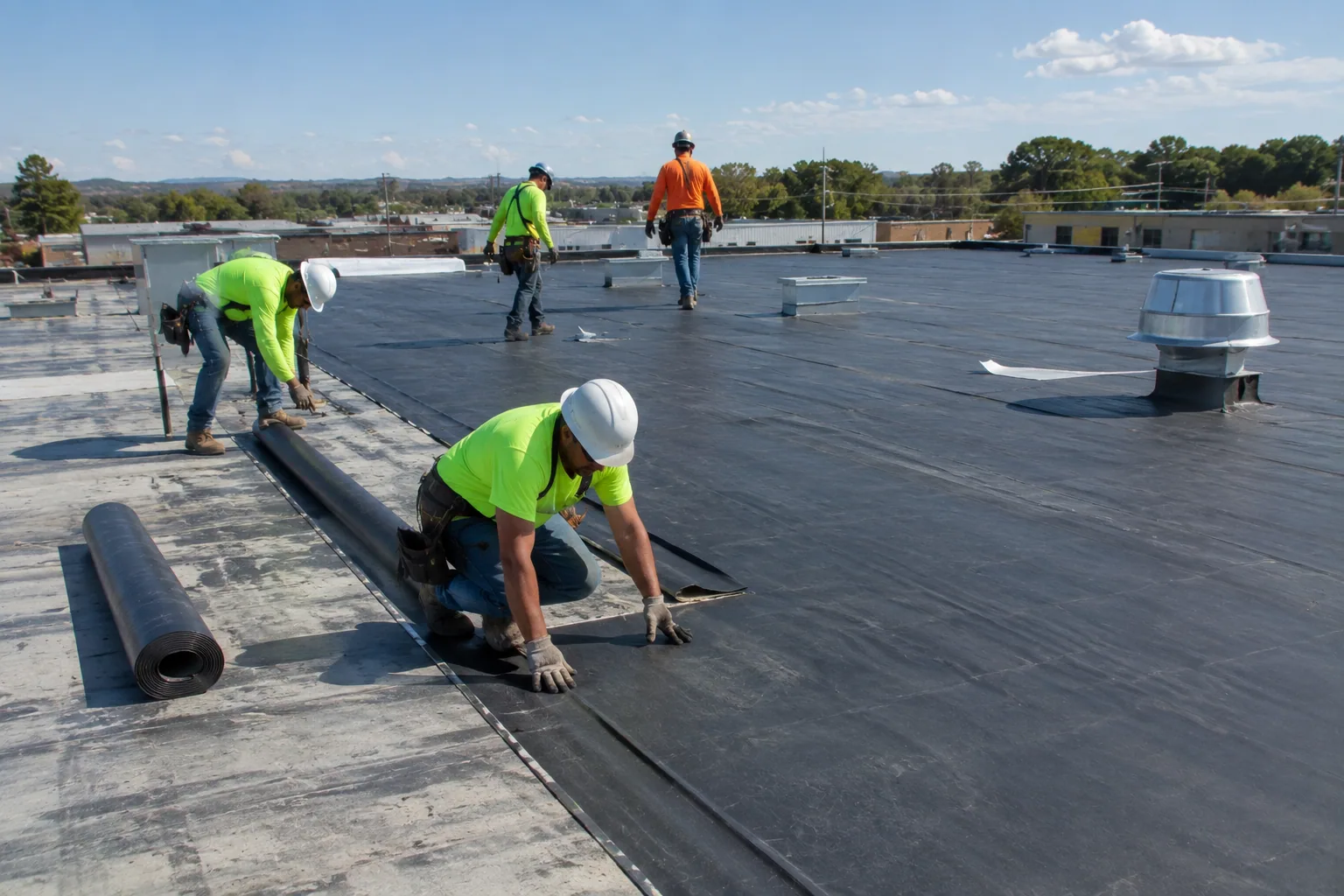
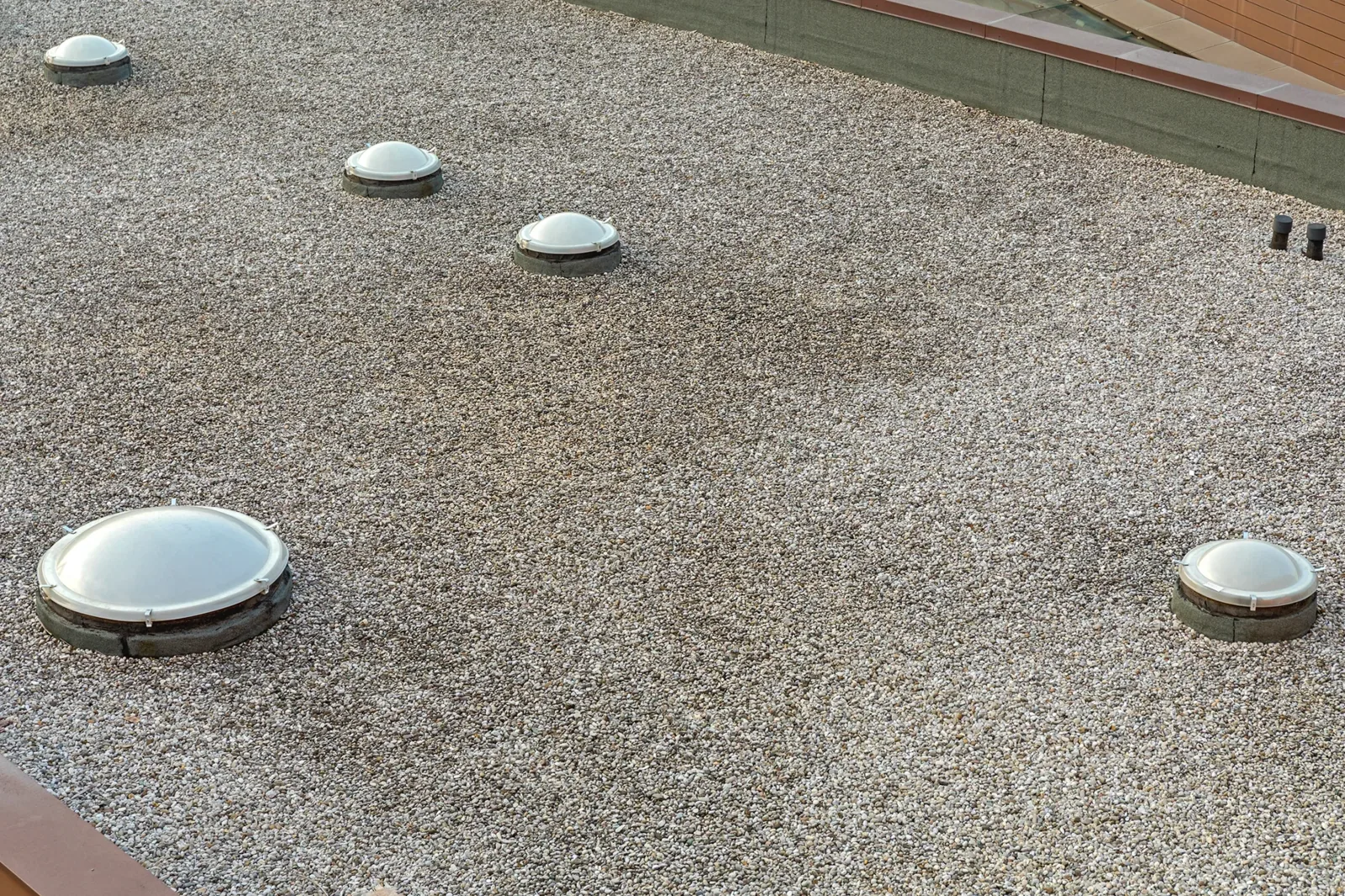
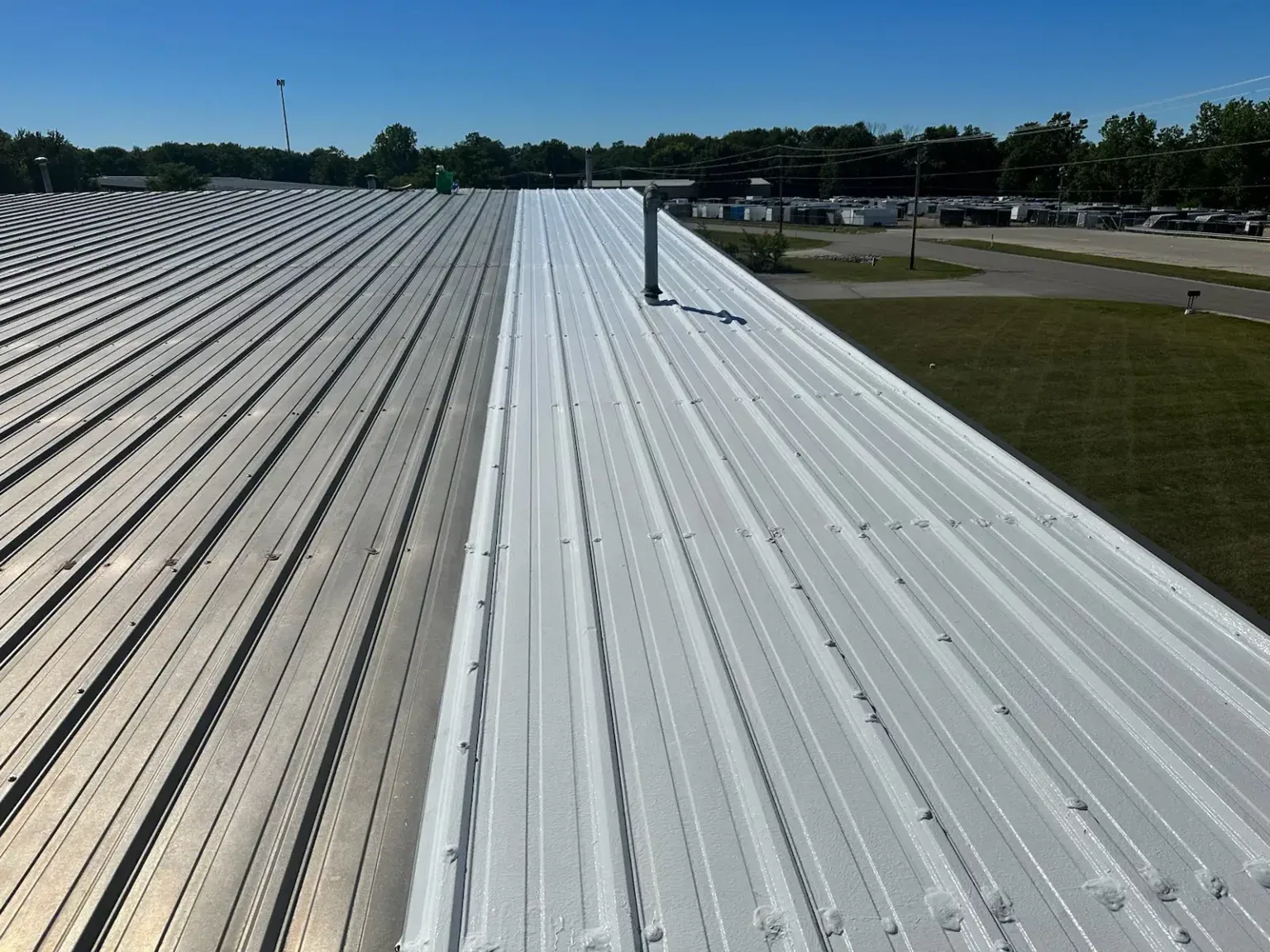
Modified-bitumen and built-up assemblies use multiple layers and require the estimator to understand surfacing, laps, flashing and tie-ins. We examine modified-bitumen roofing or built-up roof construction by section and separate top-surface wear from a concern in lower layers. A metal roof has different fasteners, seams and movement details. Standing-seam systems are reviewed for panel and attachment conditions before a repair scope is set.
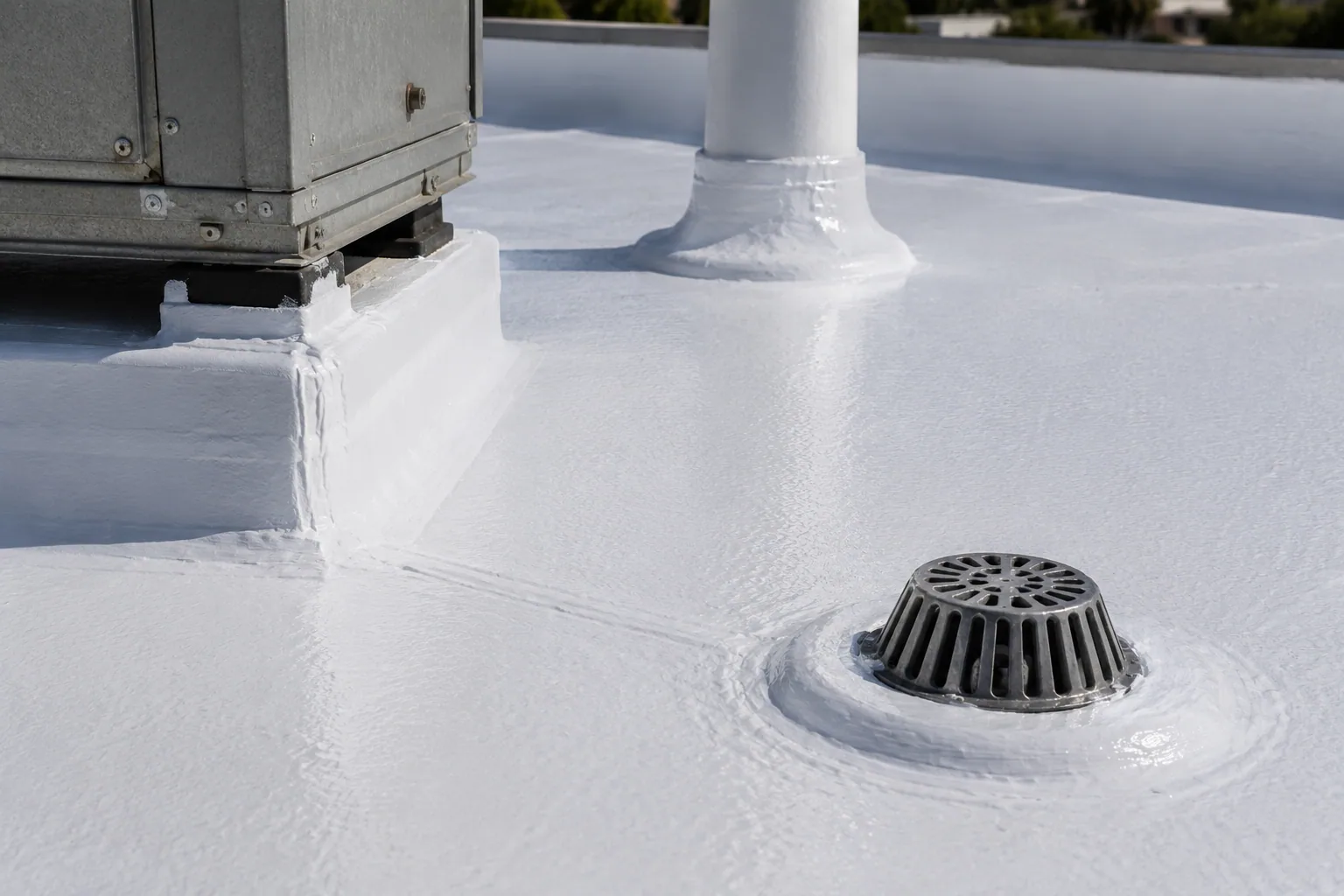
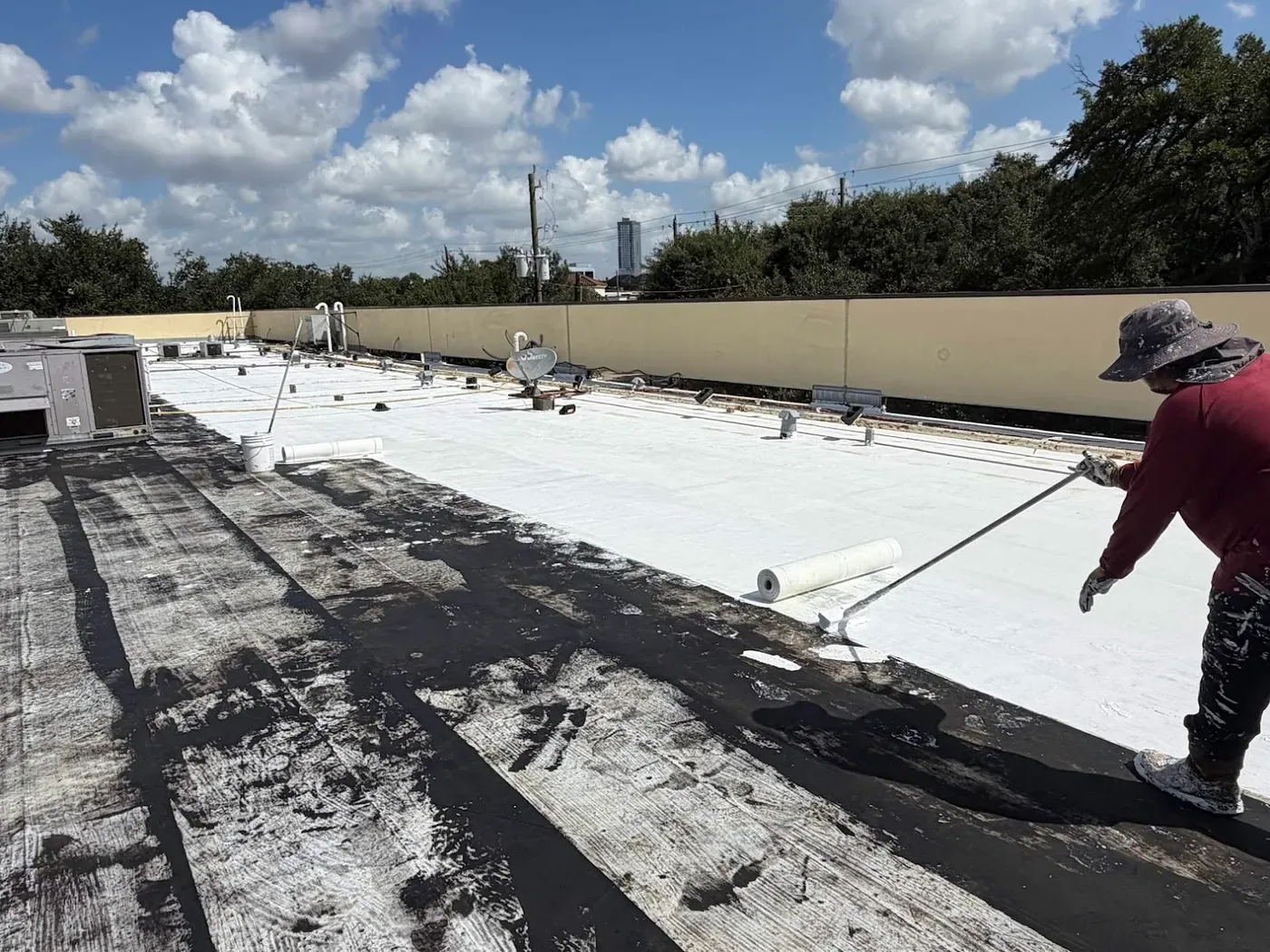
Where suitable, silicone coating restoration may be evaluated against substrate condition, adhesion and drainage. The product choice follows inspection and design requirements.
What controls system selection and schedule?
Moisture, deck condition, roof height, drainage, penetrations, access and the project’s wind or snow design all affect the proposed assembly. Lakewood’s engineering handout publishes local criteria, but an individual roof still needs project plans and professional review. A phase map states which areas can open each day, where temporary protection sits and what inspection occurs before another layer is installed.
Lakewood’s climate-risk review lists hail, extreme heat and extreme cold as near-term concerns. Those conditions make membrane condition, seam integrity, exposed fasteners and repair timing relevant; inspection findings determine whether the assembly can be maintained or needs a designed renewal. The report marks weather-related access or installation constraints by task.
How should the selected assembly be recorded?
Keep approved submittals, roof plans, product identifiers, photos, inspection results, change approvals and issued warranty documents together. Label transitions, drains, curbs and repairs. Closeout records the installed system by zone and names any maintenance task or area not inspected. Send the Lakewood address, roof records and access schedule; we will identify the existing assembly and the checks required before repair, recover or replacement.
Commercial Roofing Questions
Can one roof contain more than one system?
Yes. Additions and past repairs can leave separate assemblies. We map each zone and transition before selecting compatible materials or setting a replacement scope.
Which records help identify the assembly before ordering?
Use approved submittals, roof plans, repair records and field markings. We compare those records with the visible seams, attachment and transitions, then note any layer that needs testing before material is ordered.
What changes the choice between repair and replacement?
We compare observed membrane or panel condition, attachment, moisture evidence, drainage and the extent of repeated failures. If testing is needed to set the boundary, the proposal identifies it separately from confirmed work.
Does coating correct a drainage problem?
No. A coating can restore an eligible surface, but a blocked outlet, low slope or wet insulation needs its own evaluation. We identify drainage corrections before recommending a surface system.