
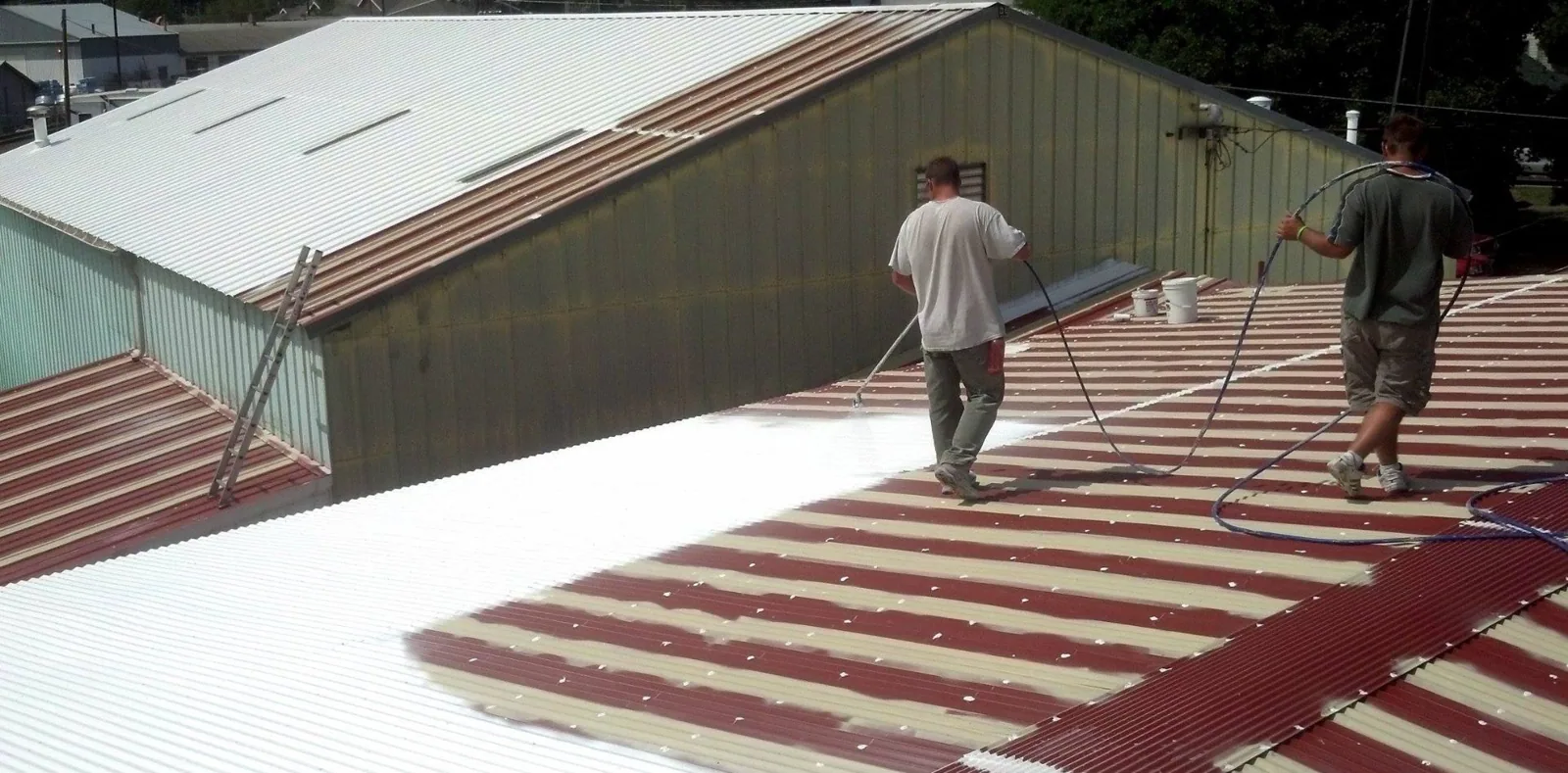
Commercial Roof Coating Restoration
Review a Lakewood Coating Restoration
A coating can renew a roof surface only when the existing assembly is a suitable substrate. For an industrial or retail roof in Lakewood, CO, we first determine what system is present, where moisture or separation may exist, and whether drains, edges and penetrations can receive a compatible treatment. The owner receives an eligibility finding, a mapped preparation scope and a list of repairs needed before the coating is applied. A coating does not correct wet insulation, unstable deck or a detail that cannot be made watertight.
Lakewood’s employment areas include Denver West and the Federal Center, with different access and operating schedules. In Rooney Valley, commercial and industrial planning brings a separate set of loading and staging questions. We verify roof construction and property access rather than assuming that buildings in one district use the same assembly.
What must be sound before a coating is considered?
The inspection checks membrane or metal condition, seams, prior patches, blistering, corrosion, drainage, ponding, edge terminations and penetrations. We identify areas where the substrate is loose, saturated, contaminated or too deteriorated to support a coating. Adhesion testing and representative openings can help confirm compatibility and concealed moisture. The test plan states how many locations are included and what each one is meant to answer.
Coating systems have substrate, primer, temperature, moisture and film-thickness requirements. We match those requirements to the observed roof and define preparation, reinforcing fabric and detail work in the scope. A visual commercial roof inspection can document the existing conditions; a moisture survey may help map suspected wet insulation before deciding whether restoration remains reasonable. Findings from one opening do not establish conditions across an entire roof.
How do preparation and repairs affect the result?
Surface cleaning must remove material that would interfere with adhesion without damaging the roof. Loose coating, failed sealant, rust, dirt and biological growth require a preparation method suited to the substrate. Open seams and defective flashings need compatible repair before field coating. The work map identifies drains, scuppers, curbs, skylights and edges that receive separate detail treatment rather than relying on a broad spray pass.
Lakewood’s near-term roof risks include hail, extreme heat and extreme cold, which can affect coating preparation and cure windows. Weather affects surface temperature, cure and the available work window, so we confirm application conditions against the selected product instructions. A hail review can identify impact or exposed reinforcement that should be repaired before coating. If the surface or concealed assembly fails eligibility checks, replacement or a defined repair scope may be the more appropriate comparison.
Which coating system fits the roof?
Selection follows substrate, exposure, movement, drainage and project requirements. Silicone and acrylic coatings have different application and performance characteristics, so the estimate names the proposed material and required preparation rather than treating “roof coating” as a single interchangeable product. We confirm whether the existing membrane, metal, foam or prior coating is eligible, and identify areas where a different detail or repair material is necessary.
On metal, the scope may need seam reinforcement, fastener treatment and corrosion preparation. A foam roof can require local replacement of damaged foam before the protective surface is restored. A single-ply membrane may have restrictions that affect coating compatibility and warranty status. The silicone coating assembly and acrylic coating approach can be compared against site conditions; a metal retrofit review may be relevant when the existing panel system needs a broader renewal decision.
How is coating work sequenced at an occupied property?
We establish the material drop, lift position, crew route, staging zone and tenant window before surface preparation. Cleaning can affect nearby vehicles, entrances and equipment, so the work plan identifies protected areas and cleanup steps. Application moves through measured roof sections, with each area prepared, detailed and coated in the order required by the product. The daily closeout records coverage completed and any boundary held for weather or substrate conditions.
Denver West Village is a large retail setting where deliveries and customer routes can influence staging. Around Union Boulevard and Federal Center, government, medical and office uses may add escort or equipment restrictions. The site contact confirms the actual route and operating limits. If rain, cold or surface moisture interrupts the sequence, we secure the stopping point and resume only when the substrate and material conditions permit.
What should the restoration proposal include?
The estimate should list eligible roof area, cleaning, repairs, primers, coating layers, reinforcing details, access equipment, protection and inspection hold points. It distinguishes measured work from areas pending adhesion or moisture testing. We state the application limits and identify how ponding areas, drains, edges and penetrations are handled. If the roof has several systems or repair histories, the proposal separates each substrate instead of blending them into one coverage assumption.
Future maintenance and periodic review affect the value of restoration. Lakewood sets a 30 psf minimum roof snow/live load and 30 psf ground-snow load; the project designer checks these criteria against the building’s structural documents before a coating is selected. Any added system weight and structural question must be assessed for the building. Capital planning can compare restoration with replacement where test results and section condition vary across the property.
How will the coated roof be recorded?
Closeout records preparation, repairs, product and batch information where available, application areas, weather conditions, photos and excluded zones. The roof plan marks drains, seams, edges and penetrations that received detail work, as well as areas deferred because of access or conditions. The owner can use the record to schedule follow-up inspections and compare later observations with the original surface.
Send roof plans, prior coating records, leak history, warranty documents and active property constraints. We will inspect the substrate, define any testing and return an eligibility-based scope. If the roof is not a candidate, the report explains which conditions change the decision and what repair or replacement boundary should be evaluated next.
Related Roofing Work
Questions About Commercial Roof Coating Restoration
Can a coating fix wet insulation?
No. Wet materials need to be located and addressed before the roof is covered. Testing helps define affected areas; a coating scope should exclude unresolved moisture or include approved removal and replacement.
Can a coating go over an existing coating?
Only after the existing material is identified and adhesion and compatibility are checked. The proposal should show preparation and testing rather than assume that another layer will bond.
Does coating stop ponding water?
A coating may protect a suitable surface, but it does not create proper slope by itself. We map drainage conditions and identify whether crickets, tapered insulation or drain changes need separate work.
What can delay application?
Surface moisture, temperature, wind, precipitation and cure requirements can change the sequence. We set daily stopping points and resume when the substrate and application conditions meet product requirements.
How is the coating quantity established?
We measure the eligible area and include separate quantities for repairs, reinforcement, edges and equipment details. Untested or inaccessible zones are identified as exclusions or allowances.
Talk with our Lakewood roof team
Send roof plans, prior coating records, leak history and access limits. We will test eligibility, map preparation and define the coating and detail scope.