
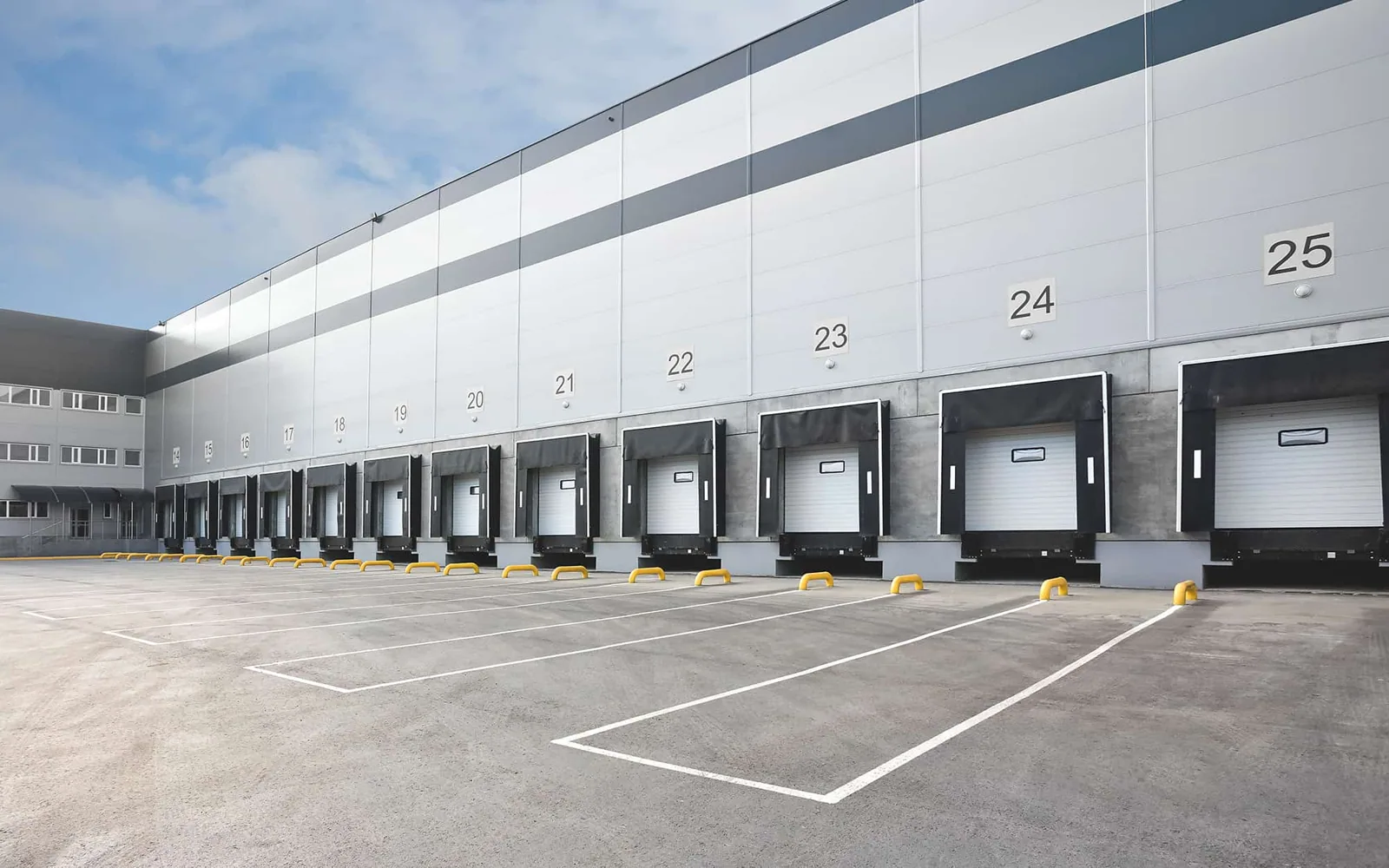
Logistics and 3PL Operators
Keep the roof sequence tied to fulfillment
A distribution roof shares the site with truck courts, dock doors and inventory that must keep moving. For Lakewood, CO facilities, we begin with receiving hours, yard circulation, roof access, leak locations and the areas that cannot lose weather protection. The site contact helps locate staging and a lift without closing a required trailer path. Each work phase then ties a roof section to the inventory below, the protection method and the shift closeout that releases the next area.
Lakewood’s commercial hubs include Denver West, Union Square, Federal Center and Rooney Valley. Rooney Valley includes planned retail and service uses along West Morrison Road, with potential light-industrial and business-park uses in the northwest. A particular facility still needs an address-specific check of its dock configuration, roof system and operating limits before we assign a work sequence.
How can roof staging preserve dock and yard circulation?
Before mobilization, we map dock aprons, trailer turns, employee routes, fire lanes, delivery windows and any shared drive aisles. The property contact identifies where materials can be dropped and where a lift can work without occupying a required turning path. If several tenants share the yard, the phase plan lists the access owner and the hours approved for each move. We do not assume that an open parking area can serve as a staging zone.
Roof sections should follow the building’s interior operation as well as its geometry. A phase boundary can keep work away from active pick lines or high-value storage while another area is opened and closed. The work map identifies temporary protection below, the tie-in at each day’s end and the route used to remove debris. A delayed trailer window may shift a delivery, so the daily closeout records both completed roof details and the next access dependency.
At Creekside at Colfax and Wadsworth, the documented center combines a large Walmart with pad retail and food uses. That is a reminder that truck movement and customer circulation can intersect at commercial sites. A retail operator roof plan can address guest routes, while a manufacturing roof sequence can address production zones and equipment permissions.
Which roof conditions can interrupt fulfillment?
We inspect seams, membrane laps, penetrations, drains, scuppers, edge metal, curbs and prior patches. Inside, facility staff can mark wet inventory, racking, conveyor equipment or repeated ceiling reports. We compare those locations with roof features above and nearby because the visible drip point may not match the entry detail. The report identifies the evidence, likely path, roof section and any test needed to confirm a concealed condition.
Large buildings can include additions, equipment platforms or separate assemblies that are not visible from one access point. We mark areas reached, areas restricted by operations and the route required for a follow-up. Moisture scanning may narrow testing locations when weather and surface conditions support it; an opening is planned with a defined question, protection below and restoration detail. The record does not treat inaccessible or untested areas as confirmed dry.
A distribution roof inspection can establish an area-specific condition record. Water at a drain or scupper can be assessed with a drainage detail review, with equipment and stored goods kept out of the work boundary.
What is the response when water threatens stock?
When water is active, the first task is to control the entry and protect the affected area. We coordinate with the site lead on the location of goods, electrical systems, dock activity and any safe route to the roof. A temporary measure can stabilize conditions while materials, weather or access are arranged for permanent work. The report distinguishes that interim action from a completed repair and assigns a return item when the final detail remains open.
A permanent repair is scoped around the verified source and adjacent material condition. A split lap, puncture, flashing failure or blocked drainage path may be localized, but wet insulation or a compromised deck can expand the work area. We stop at the approved boundary and document any added removal before proceeding. The operator can then compare a defined repair with a broader replacement phase without treating a temporary cover as the final scope.
A time-sensitive roof response can address active entry. If evidence points to an overlay, a recover feasibility review checks moisture, attachment, height and drainage before a new layer is proposed.
How should a reroof fit around fulfillment schedules?
We divide the roof into areas that can be removed, dried in and made watertight within the approved work period. The sequence records inventory beneath each zone, overhead operations, fire access, equipment shutdown needs and the point where the facility accepts a completed phase. A workday may close with a secure tie-in and inspection of drains and edges before the crew leaves. If weather interrupts production, the open boundary and protection status remain visible to the operator.
Replacement scope identifies tear-off depth, insulation, cover board, attachment, edge details, penetrations, disposal and any deck allowance. Cost and timing depend on verified area, layers, substrate condition, access equipment, delivery routes and work windows. An overlay remains a candidate only after a moisture check, attachment review and drainage assessment confirm that the added assembly fits the roof. If testing is needed to answer that question, it remains its own decision point.
Denver West Village is a retail center beside an office campus. Rooney Valley is planned for a mix of commercial uses. At either location, we confirm drive aisles, shared access and delivery windows with the property contact before scheduling work. A multi-property schedule can track separate building releases, while a capital review can align repair and replacement decisions with facility timelines.
Which local weather conditions affect dock operations?
Hail and strong summer or winter temperature extremes can affect Lakewood roof access and material windows. A hail survey separates punctures or displaced details from cosmetic marks and ties each confirmed finding to a roof zone. Heat can change the safe work window and how crews handle materials; cold can limit adhesive placement and cure. We record weather holds against the specific detail and notify the site contact when a shift affects dock or inventory protection.
Lakewood’s ground-snow design value is 30 psf, with a minimum 30 psf roof snow or live load. Those values do not assess a specific warehouse’s capacity. When ice closes a roof route or masks a drain, we leave that zone marked open and return after conditions permit a safe check. A snow and ice damage review can document a weather-related concern after safe access is approved.
Related Roofing Work
Questions About Logistics and 3PL Operators
Can roofing crews work while the facility ships orders?
The facility sets the operating zones and approved windows. We plan the lift position, material drop, roof boundary and closeout against those limits, then request a revised release if the operation changes.
How do you protect stored goods during a repair?
The site identifies the affected inventory and interior controls. We define the roof opening, temporary protection and end-of-shift condition before work starts in that area.
What if a leak is near a dock or conveyor?
We coordinate the interior location with the operations lead, then inspect the roof details above and nearby. The response records the likely source and any test needed before a permanent repair is priced.
Will one inspection cover a multi-building logistics portfolio?
We can schedule the facilities together, but each property receives its own roof map, condition record and access notes. Similar reporting fields do not substitute for building-specific findings.
How is a weather delay recorded?
The work log states which roof task could not proceed, why conditions restricted it, and what temporary protection was left in place. The next approved window is set with the facility contact.
Talk with our Lakewood roof team
Share the Lakewood facility list, roof plans, shipping hours, dock map, leak locations and inventory protection rules. We will identify the survey coverage, staging limits and work phases for your review.