
Commercial Fire Damage Roof Repair
Document a safe path to roof restoration
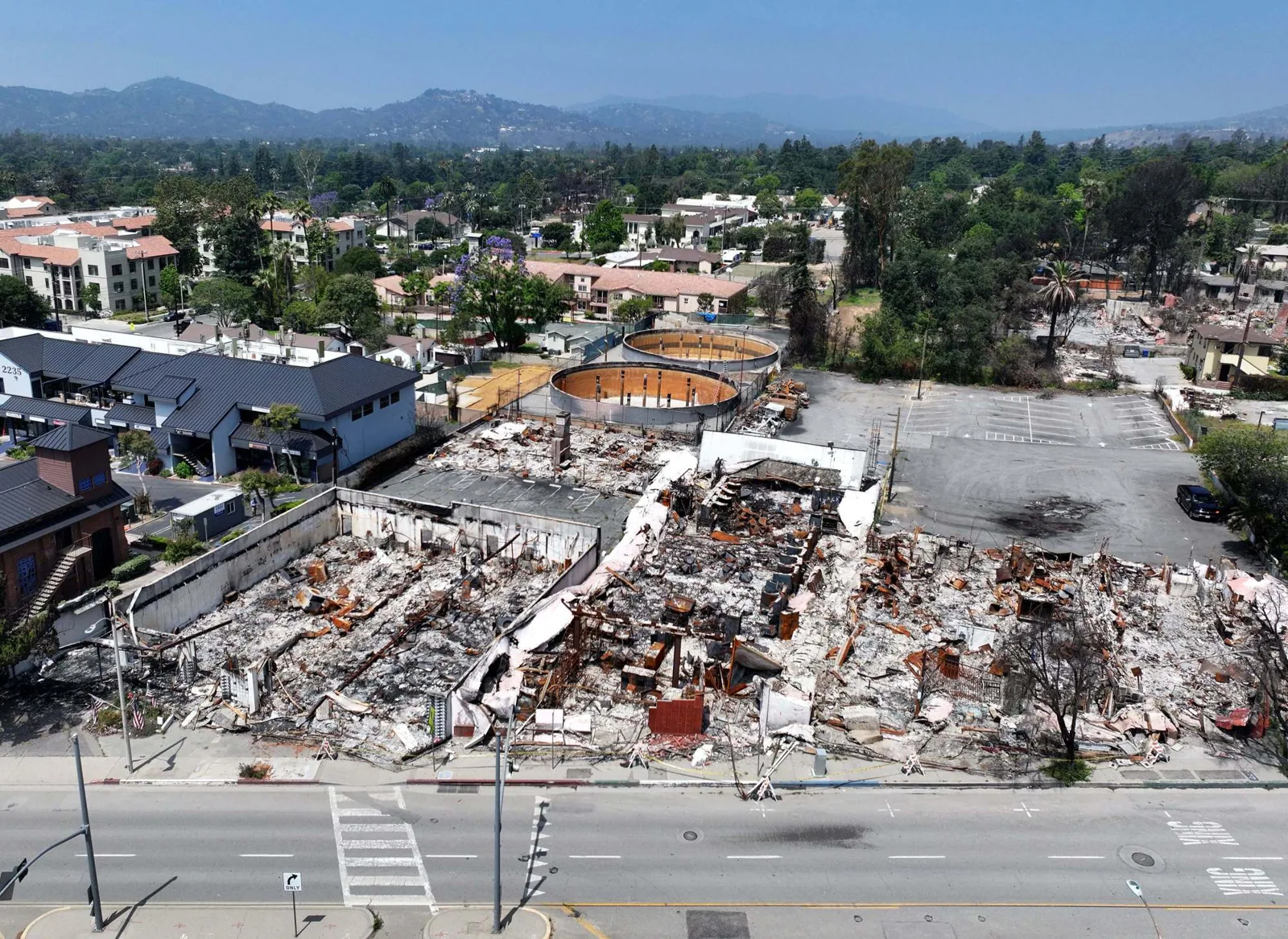
After a fire, the roof can have heat damage, smoke residue, openings from suppression or debris, and sections that remain unsafe to enter. In Lakewood, CO, we first coordinate with the owner and the appropriate fire or safety authority about when access is released. The inspection map identifies the affected roof zones, the building area below and any temporary cover needed to protect the interior. The report separates visible roof damage from structural and environmental questions that need qualified review.
Lakewood identifies wildfire as a longer-term hazard, while hail and temperature extremes affect near-term roof access and repair planning. After a fire, the owner or investigator sets the entry release and shares findings on origin and cause; the roofing survey documents resulting assembly damage. For a building affected by any fire, we document the actual heat, smoke, water and debris conditions found at the address. The next work step follows site safety direction and the approved scope.
When can a roof inspection begin?
Access follows the direction of the fire authority, building official, owner and any structural or environmental professional involved. Roof inspection begins after the responsible authority releases the area for contractor entry. The site contact identifies electrical hazards, unstable decking, damaged equipment, restricted rooms, smoke residue and any material that requires special handling. Those boundaries appear on the work map before tools or materials are brought onto the roof.
Once access is approved, we inspect from the safe route and record burned membrane or panels, deformed metal, open deck, damaged insulation, displaced curbs, penetrations and suppression-water paths. Photos reference the roof section and interior space below. If the damage may affect structure, utilities or hazardous materials, the observation is routed to the proper specialist rather than treated as a roofing determination. Areas not reached remain listed as pending.
A post-event roof inspection can document accessible conditions. If a building also has heat-related material failure, a heat damage review can separate longer-term exposure from the fire footprint.
What should temporary protection cover?
Temporary protection focuses on openings and roof transitions that can admit additional weather. We identify the material condition, perimeter tie-in, drainage path and interior area affected. A temporary cover must be placed only after the supporting edge can be reached safely and its securement method is approved for the conditions. The property team receives the covered zone, installation date, expected monitoring and any limit on building use.
Water from fire suppression may be present in roof layers or inside the building. We note visible wet areas and reports supplied by facilities, then identify whether moisture mapping or a test opening is needed to confirm the assembly. A temporary cover does not dry wet insulation or establish that hidden materials can remain. The owner can coordinate a separate drying or environmental scope and authorize the roofing repair after the affected layers are understood.
A emergency stabilization visit can address an exposed opening. Any roof section left under interim protection remains distinct from permanent restoration in the closeout record.
How is a permanent fire repair defined?
The permanent scope lists the affected roof area, removal depth, substrate condition, insulation, deck repair allowance, membrane or panel system, flashing, edge details and tie-ins. Heat may change material properties beyond the visibly charred spot, while suppression water can affect layers elsewhere. We identify the evidence supporting the proposed boundary and state where testing or engineering input could change it. Work at an uncertain edge pauses for owner review before removal expands.
For a localized event, a patch or section replacement may be considered if the surrounding assembly is sound and compatible. More extensive heat exposure, water intrusion or damaged deck can require broader removal. A recover is not presumed appropriate over fire-affected layers; the assembly must be evaluated for moisture, stability, attachment and compatibility. The estimate separates known quantities from concealed conditions and includes the access and protection plan needed for the building below.
A replacement scope can define removal and rebuild. If wind later exposes a separate edge concern, a wind condition inspection can document it independently.
Which Lakewood conditions affect restoration planning?
Lakewood’s commercial hubs include Federal Center, Belmar and Denver West/Colorado Mills, with public, medical, retail and office uses in the local building mix. An affected facility may have separate public routes, tenant controls, service hours and equipment access. We confirm the specific address, gate, lift position and rooms under the repair area before sequencing work. A city hub label is context for location, not a substitute for the owner’s site plan.
When a fire-damaged roof is ready for inspection, Lakewood’s near-term heat and cold extremes can constrain safe survey and material windows. They can affect roof access, adhesive work, material handling and the time a temporary detail can remain before permanent installation. Snow or ice may block the safe route. The project log states the hold and protection condition, then identifies the observation needed before the next phase resumes. At a property in the West Alameda / Belmar corridor, the site contact sets crew routing and public-area protection for each building.
What should the restoration file retain?
The record includes inspection date, access release information supplied by the owner, affected roof zones, photos, temporary protection, approved changes, installed materials and outstanding tests or specialist reviews. It distinguishes roofing observations from determinations made by fire, structural, industrial hygiene or environmental professionals. The owner can attach estimates and approvals to the same roof map so the final work corresponds with the area authorized.
Before closeout, we check completed transitions, drainage, edge details and penetrations in the repaired zone. The report lists rooms or routes returned to service and any follow-up inspection needed after cure or dry-out. If an adjacent area remains under a separate restoration scope, it is identified instead of implied complete. That creates a property record the facilities team can use for later maintenance and claim-file review.
Send the Lakewood building address, access release, roof plan, photos and any prior survey. We will document the safe-to-inspect area, temporary control and permanent roof work that the evidence supports.
Related Roofing Work
Questions About Commercial Fire Damage Roof Repair
Can you inspect the roof while fire crews are still investigating?
We wait for the responsible authority and owner to release the area for access. The inspection plan follows any safety, structural or environmental limits supplied for the building.
Does smoke residue mean the roof membrane must be replaced?
Not by itself. We document the affected materials and identify whether cleaning, testing or removal should be evaluated based on the assembly and specialist direction.
Can suppression water damage roof insulation?
Water may enter through openings or move within the assembly. We record visible evidence and can propose moisture testing or a controlled opening if hidden layers affect the scope.
How long can temporary protection stay in place?
The closeout identifies the measure, date and monitoring or return work required. Duration depends on its design, weather exposure, access and when permanent restoration is approved.
Will a roofing contractor evaluate structural safety after a fire?
We report visible roof conditions within the released work area. A structural professional determines capacity and safe entry when heat may have affected framing or deck.
Talk with our Lakewood roof team
Share the Lakewood address, access release, roof plans, event photographs and facility contact. We will map visible damage, temporary protection and the roofing decisions that remain for review.