
Commercial Heat and UV Roof Damage Repair
Check the substrate before choosing restoration
A roof exposed to repeated sun can show chalking, surface erosion, brittle flashing or a membrane that no longer flexes cleanly at a detail. In Lakewood, CO, we document those conditions by roof section and separate ordinary weathering from a split, failed seam or water entry. The inspection checks the existing assembly, drainage, edges, curbs and prior coatings before a repair or restoration is proposed. That record lets the owner compare a measured correction with work that would cover a larger area.
Extreme heat, hail and extreme cold are near-term Lakewood hazards. Commercial hubs such as Denver West and Lakewood Technology Center include office, retail and employment properties with differing access and equipment needs. The local conditions inform inspection timing; the roof’s actual surface, system and service history determine the repair detail.
Which surface changes affect water protection?
We look for loss of granules or surfacing, exposed reinforcement, chalking, cracks, open laps, shrinkage at terminations, failed sealant and brittle boots around penetrations. Metal roofs may show coating wear, corrosion or movement at fasteners and seams. Each observation is tied to a location and photo. We inspect nearby drains and transitions because a surface problem can direct water toward a weak detail even when the visible wear is not itself a leak.
Heat can also affect rooftop accessories and previous repair materials. We identify the existing membrane or coating where records and field details allow, then check adhesion and surface preparation needs. A product applied over loose, wet or incompatible material can fail to bond. If the assembly is unknown or moisture is suspected below the surface, a test or opening can be scoped before full coverage is considered.
A roof coating restoration review can evaluate a compatible substrate. A membrane damage survey can identify discrete openings within a weathered area.
Can coating restore a weathered roof?
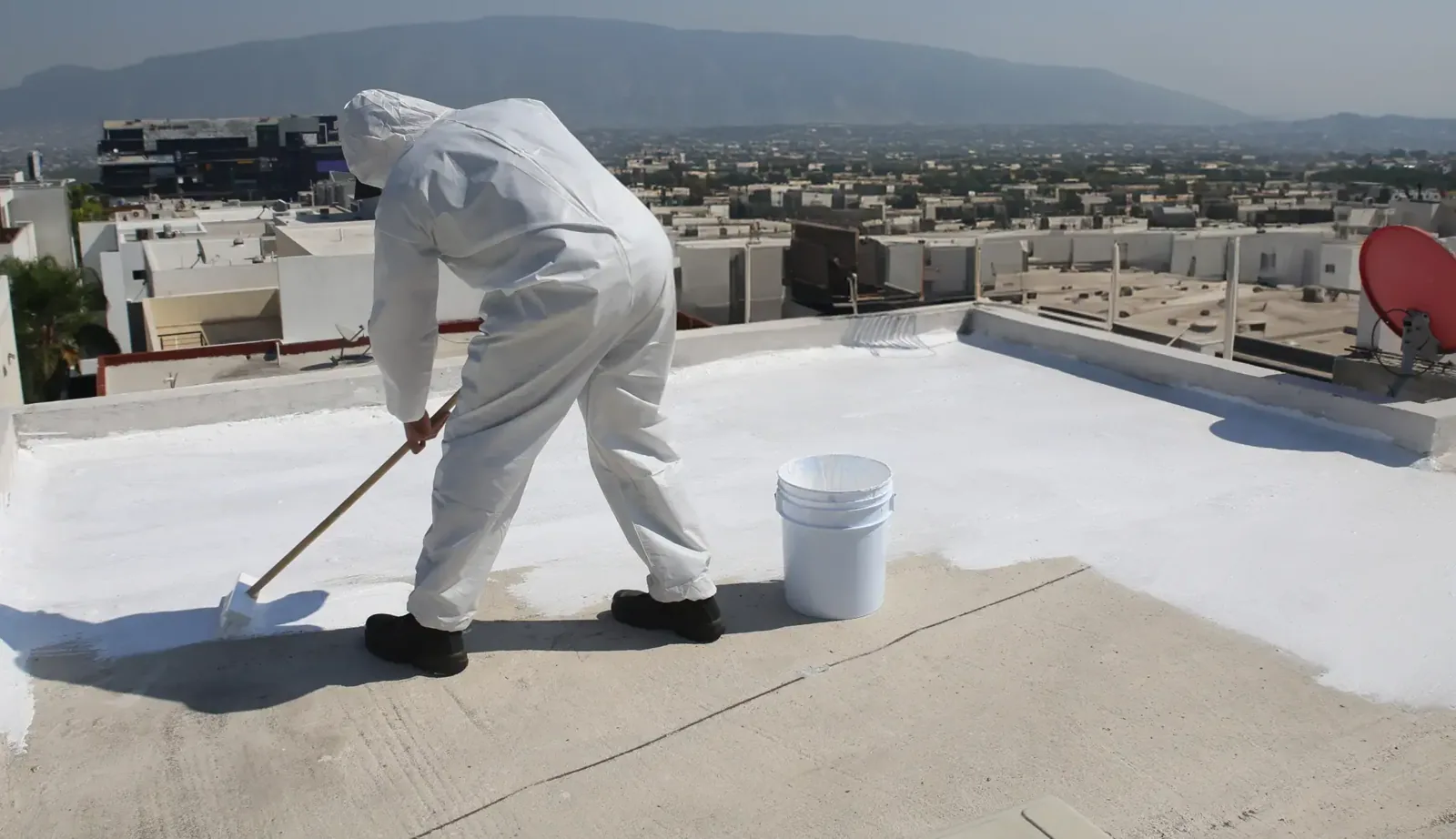
A coating can be considered only where the substrate is suitable, dry, well attached and prepared to meet the selected system’s requirements. We check seams, details, drainage, existing coating layers and areas of trapped moisture before recommending coverage. A coating does not repair a weak deck, correct a low slope or secure a loose membrane. If those conditions are present, the estimate identifies separate repairs or a different renewal method.
Localized work may be enough where deterioration is limited to a flashing, seam, fastener or penetration. A larger restoration scope can include cleaning, surface preparation, detail reinforcement and specified coating thickness only when the system and project documents support it. Replacement may be more appropriate where insulation is wet, membrane attachment is unreliable, or the substrate cannot accept a coating. The proposal states what is measured, what requires testing and how the owner can approve additional work.
A silicone coating system review can cover one restoration type. For a different roof condition, a ponding water inspection checks whether drainage problems would remain beneath a new surface.
What should the application window account for?
Surface temperature, air temperature, moisture, dew, wind and manufacturer application limits control coating and adhesive work. A roof can be hotter than the air, and a shaded area may differ from an exposed field. We record the conditions at the work area and follow the product requirements for preparation, application and cure. If the substrate is damp or the window is unsuitable, the work remains scheduled rather than being applied over an unready surface.
Occupied buildings add separate constraints. Facilities may need to keep intakes open, protect equipment, coordinate tenant access and maintain fire routes while a roof section is prepared. We map the material drop, crew route and daily tie-in, then notify the site contact if heat shortens the planned shift. The closeout identifies coated or repaired zones, cure restrictions and when another trade can access the surface.
Denver West Business Park includes office use beside retail and hospitality activity. At a roof in Lakewood Technology Center, the facility contact identifies equipment routes, roof access and work windows before staging.
How should hail and cold damage be separated from heat wear?
Lakewood’s near-term hazards include hail and extreme cold. A hail review records impact marks, punctures and damaged flashing independently from broad surface oxidation or chalking. Freeze and thaw can stress seams and edge details; temperature extremes may also make an old sealant brittle. We note the visible condition and reported timing, then avoid assigning a single cause where the evidence does not distinguish the mechanisms.
When several forms of wear appear on one roof, the condition map separates the field membrane, repaired areas, flashing, drains and rooftop equipment details. That lets the owner price a confirmed repair and decide whether further testing is needed elsewhere. If the roof cannot be accessed in winter, those zones stay listed for inspection after a safe window. A hail condition assessment can document a separate storm finding.
What does a restoration closeout record?
The closeout names each prepared and coated area, material system, repair detail, application condition, photos, cure time and follow-up point. Any area excluded for moisture, poor adhesion or structural concern is marked separately. The owner can keep the report with prior roof records and use the same section labels during a later inspection.
After cure, a follow-up can check transitions, drains, terminations and details that receive traffic. If a coating or repair did not cover the full roof, the remaining membrane is identified instead of described as restored. A future budget review can then compare verified work with open conditions and decide whether additional testing or replacement planning is needed.
Send the Lakewood roof plan, coating and repair records, photos, equipment schedule and access limits. We will identify weathered zones, check substrate readiness and prepare a repair or restoration scope with application conditions stated.
Related Roofing Work
Questions About Commercial Heat and UV Roof Damage Repair
Does a faded roof need a new coating?
Color or chalking alone does not establish that a coating will perform. We check adhesion, moisture, surface preparation, details and drainage before recommending restoration.
Can you coat over an existing coating?
We first identify the existing material and test whether the surface is sound and compatible. The proposal lists preparation, repair details and any test needed to confirm adhesion.
What if the roof is too hot for application?
We compare the actual surface and air conditions with the product requirements. A work window moves if those conditions do not support proper installation or cure.
How can you tell hail damage from sun wear?
We document the type and location of each condition, then compare impact evidence with broader surface changes. If the cause remains uncertain, the report states what additional review could resolve it.
Will a coating stop leaks from a low area?
A coating does not correct blocked drainage or a structural depression by itself. We trace water movement and identify any slope, drain or substrate repair needed before restoration.
Talk with our Lakewood roof team
Share the Lakewood roof plan, prior coating details, leak history, photos and equipment access rules. We will map surface wear, test questions and the repair or coating scope that fits the assembly.