
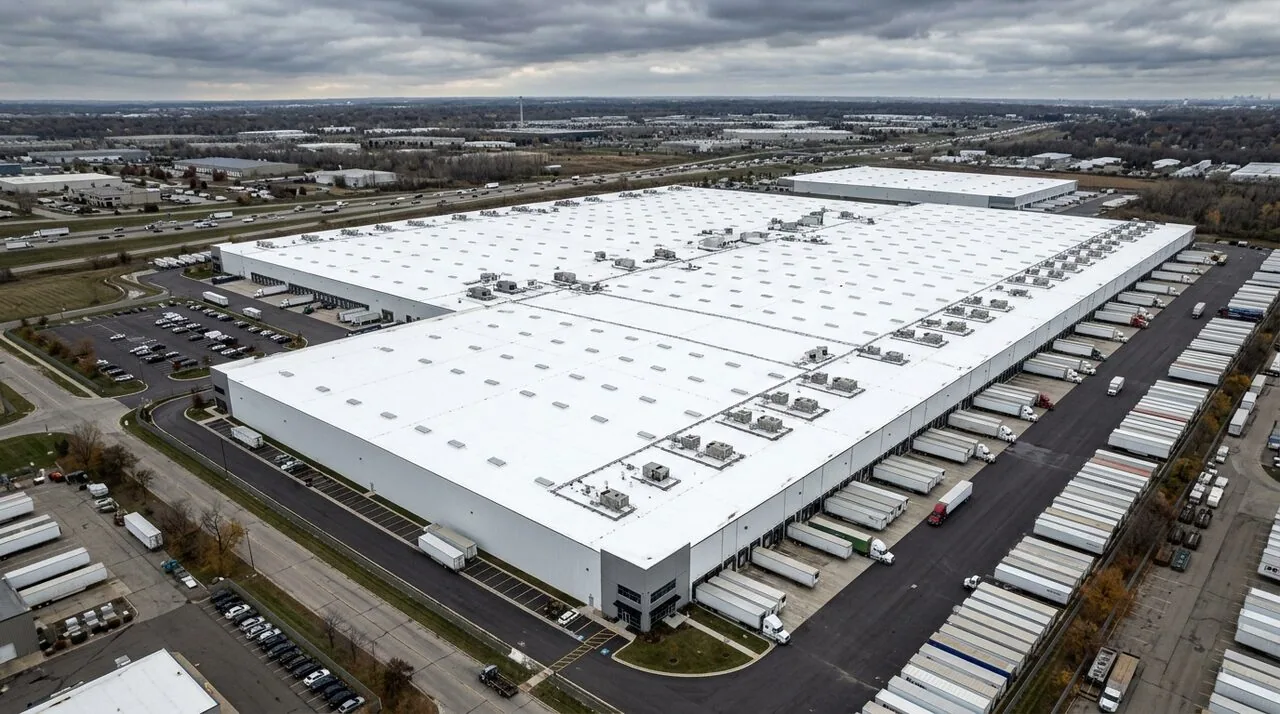
Acrylic Roof Coatings
Review an Acrylic Coating in Lakewood
Acrylic coating is a renewal option for a sound roof surface, not a way to hide wet insulation or failed details. For a Lakewood, CO commercial property, we inspect the substrate, drainage, prior coating, seams and penetrations, then check whether the proposed product fits the roof’s slope and exposure. The scope defines cleaning, repairs, primer, coating layers and reinforcement by section. Application timing includes a suitable dry window so the water-based material can cure as specified.
Creekside at Colfax and Wadsworth has a retail setting with deliveries and public access below the roof. Colfax Central lies within the West Colfax commercial area. We confirm the building’s own entry, staging and tenant windows before scheduling.
Is acrylic suitable for the existing roof?
We identify the current membrane or metal, existing coatings, surface contamination, adhesion, moisture, slope, ponding, corrosion and repair history. Product data and test patches help determine whether primer is needed and whether the surface can accept a new layer. If the roof has several substrates or old coating types, each is tested and mapped separately. An eligible field area does not make an adjacent wet or poorly attached section eligible.
Acrylic coatings are generally water-based and need suitable application and cure conditions. Repeated standing water may affect product choice and should be evaluated against the specific specification. A condition inspection documents exposed issues, while a moisture survey can guide sampling where insulation concerns remain. We state which observations are visual and which have been verified through openings or tests.
What preparation is required before coating?
Cleaning removes dirt, loose coating and residue that could weaken adhesion. We use a method compatible with the substrate and protect nearby equipment, walls, entrances and drains. Open seams, failed flashing, corrosion and punctures are repaired before field coating. Primers and reinforcing materials are selected for the actual surface and product. The scope includes masking, overspray controls, drainage protection and any access equipment required for the building.
Lakewood faces hail, heat and cold among its near-term climate hazards. Temperature and rain risk can change the application window; we check conditions and the manufacturer’s instructions before coating. For hail damage that extends beyond a surface finish, a storm inspection can document the roof area. If preparation uncovers a broader defect, repair work is kept distinct from coating coverage.
How does acrylic differ from silicone?
Acrylic and silicone coatings have different exposure and drainage considerations. Acrylic may suit a roof with adequate slope and drainage, while standing water needs product-specific review and may call for another material or drainage correction. We compare reflectance, substrate compatibility, ponding, application weather, maintenance and required film thickness. No coating type is suitable without surface preparation and repair of defects.
Silicone coatings can be compared where water exposure differs, and modified-bitumen assemblies may be another renewal path when a coating cannot retain the existing substrate. A drain and scupper review can address water movement before coating. The estimate should show these corrections separately so the owner can understand what improves the drainage plane and what restores the surface.
How will application proceed at an occupied site?
The site plan confirms staging zone, lift location, water supply if needed, crew route, tenant notice and protection of air intakes or vehicles. Cleaning and coating may affect different areas of the property, so each phase has a marked boundary and a daily closeout. The material is applied in the specified number of coats, with coverage and dry times checked before the next pass. If the forecast threatens cure or rain, the crew stops at a secure point.
Before ordering, we confirm the quantity for each surface and whether the specification requires a primer or reinforcing fabric at any seam. The crew protects skylight lenses, rooftop units and walls from overspray, then removes that protection after the coating reaches the required condition. If the work area borders an active air intake, its status is checked with the facility contact before the application pass.
At a retail property, the contact identifies delivery hours, loading routes and customer entrances. For an office or medical building, access may be limited to a tenant window or equipment shutdown. We agree on the schedule with the facility lead and record any area deferred because of wind, surface moisture or temperature. The work does not advance into a section until its preparation and protection are ready.
What changes the price and service interval?
Cost depends on measured roof area, washing, test patches, primer, coat quantity, reinforcement, repair work, access and overspray protection. We list areas requiring additional preparation and separate any concealed-condition allowance. The owner can compare coating with replacement only when each scope includes similar sections, edge and drain work, and a defined maintenance expectation.
The roof snow/live-load minimum for Lakewood design review is 30 psf; the project designer applies it to the structure. The project designer reviews building-specific requirements, while field inspection establishes the substrate and drainage condition. The product and project designer set performance requirements, while field review confirms the actual substrate. A capital planning review can compare tested coating areas with replacement needs across several buildings.
What will the acrylic coating file contain?
Closeout records the selected product, primer, preparation, application dates, coat coverage, weather conditions, detail reinforcement, photos and excluded areas. The roof plan identifies drains, curbs, transitions and any surface that needs additional review. Product maintenance instructions and the approved data stay with the building’s roof file.
Areas with different substrate or drainage conditions receive separate labels, allowing later service calls to identify whether the surface is acrylic, silicone, metal or an underlying membrane. The log also notes the next recommended check and any areas where coating thickness or surface wear should be monitored. Those records support future repairs using the proper material and preparation.
Send roof plans, prior coating records, leak history, drainage concerns, access hours and equipment locations. We will verify eligibility, test representative surfaces and return a measured preparation and coating scope. The final record distinguishes areas coated from defects that were repaired separately or remain under review.
Related Roofing Work
Questions About Acrylic Roof Coatings
Can acrylic coating be installed over any membrane?
The substrate must be identified and tested for compatibility, moisture and adhesion. We list preparation, primer and exclusions before measuring the eligible coating area.
Will acrylic coating hold up under standing water?
Product limits vary, and persistent ponding needs review before selection. We map drainage and compare the surface with the stated product requirements.
How long does acrylic need to dry?
Cure depends on the specified product, temperature, humidity, coat thickness and weather. The sequence follows the manufacturer’s instructions and protects the surface from rain before it is ready.
Can a coating correct a low spot?
A coating is not a substitute for slope correction. The roof plan identifies whether tapered insulation, a cricket or drain work is needed before application.
What happens if a test patch does not adhere?
That surface is not included until the preparation or system choice is reviewed. We document the test location and compare a different primer, removal or replacement option.
Talk with our Lakewood roof team
Send roof plans, coating history, drainage concerns, access hours and equipment locations. We will test adhesion and map repairs, preparation and application sections.