
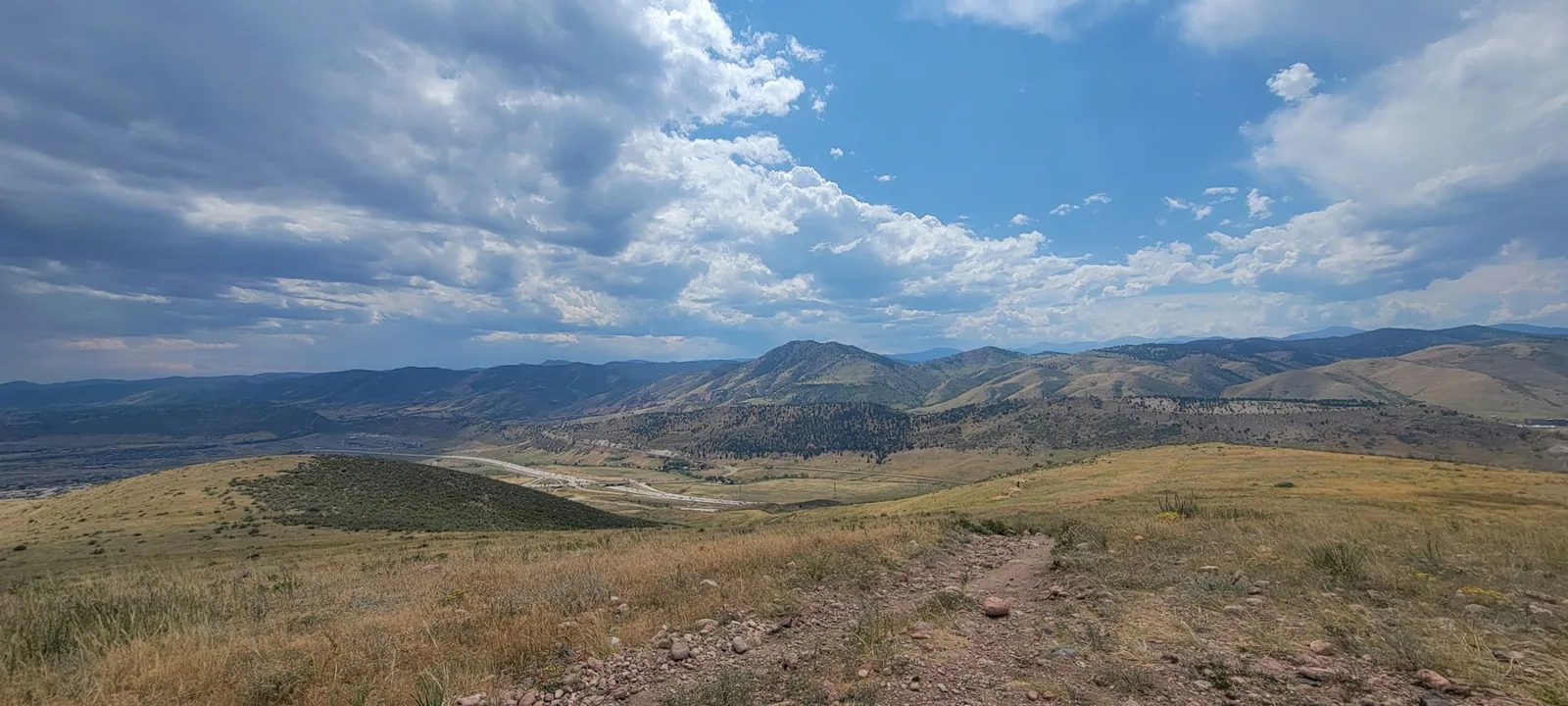
Rooney Valley
Set a roof plan for the Rooney Valley address
Roof work in Rooney Valley starts with confirming the property and the operating area around it. Rooney Valley is framed by C-470, West Alameda Avenue, Morrison Road and Indiana Street. West Morrison Road is planned for regional retail, restaurants, offices and services. Northwest Rooney Valley includes planned employment-oriented office and commercial uses, with potential light-industrial or business-park space. We inspect each property directly and confirm roof boundaries, access and staging with its owner.
A site plan marks the crew route, material drop, lift position and area that must remain open. The roof survey records seams, flashing, drains, penetrations, equipment and prior repairs by section. An owner can then compare a repair or replacement scope against a current condition map rather than a planned land-use description. When an area cannot be reached because of ice, equipment or access restrictions, the report states that gap and the return step.
How do we map a roof on a changing commercial site?
We review roof plans, service history and reported leak locations before walking the accessible area. The field survey identifies membrane or metal where supportable, then checks seams, edges, wall and curb flashing, penetrations, drains, scuppers and rooftop equipment. Photos are tagged with the section and detail. Leak reports are compared with the roof conditions above the affected room, while suspected moisture remains separate from a confirmed opening until testing supports it.
West Morrison Road can accommodate retail, restaurants, offices and services, with employment and potential light-industrial uses also planned in the valley. A specific facility may have different operating hours or security rules from a property down West Morrison Road. The building contact confirms tenant access, loading, escorts, lift location and roof entry. A commercial condition survey records the inspected boundary; an infrared moisture survey may help target a test opening when assembly and weather conditions suit the method.
The report says which roof zones were reached and distinguishes surface observations from questions about underlying layers.
What controls staging near C-470 and West Morrison Road?
The property lead identifies delivery routes, loading periods, fire lanes, customer paths, work hours and any nearby activity that affects where a lift can sit. We confirm the exact building, set a staging area and assign material to the section under work. A production map limits daily removal to the area that can be dried in before the crew leaves. Closeout records installed work, temporary tie-in, inspection hold and the next scheduled boundary.
The C-470, West Alameda Avenue, Morrison Road and Indiana Street boundaries place the building within the western valley. Those boundaries provide orientation but do not authorize crew access or show a safe delivery point. The owner confirms property rules. A West Alameda / Belmar roof project and one at Lakewood Technology Center need separate lift positions, route approvals and roof records.
At an occupied retail or office property, phased occupied-building work can coordinate access with the approved tenant window.
How should hail or water damage be separated from routine service?
A leak or storm report is tied to a building, roof zone and date. We inspect penetrations, field seams, flashing transitions, drainage, edges and earlier patches, then record the evidence. A localized opening with serviceable surrounding material may support a repair. Several wet areas or repeated failures may require testing before the full boundary is known. The estimate distinguishes immediate protection from the permanent work and identifies any assumption that needs owner approval.
Lakewood’s climate-risk review places hail and extreme heat and cold among near-term hazards. After hail, a survey maps punctures and displaced accessories separately from marks that leave the membrane intact. Hot conditions can restrict safe roof hours; cold may affect adhesive or sealant work. The crew follows the product limits for the selected task, protects the section and notes a weather hold when needed. Snow and ice can also conceal drains, with any uninspected area listed as follow-up.
A hail damage assessment can document affected details. A commercial repair scope states work limits and materials.
When should a planned use change trigger roof review?
If a property is being considered for new commercial, office or light-industrial use, the roof should be checked against the approved project design before new equipment, penetrations or staging are set. We review the existing layers, deck records, drainage, edges, equipment and transitions. The designer selects the new system and attachment. A phase plan identifies how much area can open at a time, the temporary dry-in and the inspections required before details are covered.
Lakewood’s snow and wind design values do not establish the capacity of an individual Rooney Valley roof. The building plans and responsible design professional govern that review. If removal reveals wet insulation or an unexpected deck condition, the crew protects the approved opening and submits photos and measurements for owner direction. A replacement proposal should document assumptions, tests, daily closure and change approval.
At a property along West Morrison Road, sequence work around the actual tenant schedule and construction plan. The property team confirms current requirements before a crew date is set.
What helps an asset manager compare future roof needs?
Retain the roof map, product submittals, inspection images, repair tickets, access controls, construction approvals and warranty paperwork. Label each roof section, transition, drain, curb and repaired detail. A daily closeout notes conditions under removed material, installed products, inspection results, weather holds and any return work. When use or equipment changes, update the plan and retain the approved flashing detail.
The valley’s planned commercial and employment uses do not identify the building’s installed assembly; current drawings and field evidence do. The owner’s current drawings and field evidence show the installed system. For comparison, an Academy Park roof needs its own section map and repair history before portfolio plans combine the work. That separation helps portfolio managers use consistent records without treating site conditions as interchangeable.
Send the Rooney Valley address, roof plan, reported leak areas, property schedule and access rules. We will map the inspection boundary and return repair or replacement options with any testing and approval steps listed.
Related Roofing Work
Questions About Rooney Valley
Does Rooney Valley’s plan identify existing roof construction?
No. It describes current and potential land uses. Roof records and inspection confirm the system and condition at each property.
Which roads define the Rooney Valley area?
C-470, West Alameda Avenue, Morrison Road and Indiana Street frame Rooney Valley. Property access and crew routes still require approval from the site contact.
Can retail and office operations continue during roof work?
The owner confirms active hours, protected routes, delivery and lift restrictions. We set a roof section and daily closure boundary around those operating controls.
How does an estimate handle hidden deck damage?
It states the visible scope and assumptions. If removal finds a different condition, the crew protects the area, documents it and requests approval before changing work.
What should a storm inspection record?
It maps roof zones reached, functional openings, displaced details and access gaps. The report separates observed damage from testing needed to establish concealed conditions.
Talk with our Lakewood roof team
Share the property address, roof plans, tenant or project schedule, leak history and access controls. We will map sections and outline the next inspection, repair or replacement step.